Can we have a world free of cluster bombs? We are on our way.
By Dr. Bob Mtonga, IPPNW Zambia
Close to 100 countries, closely accosted by over 100 civil society campaigners mainly under the umbrella of the Cluster Munitions Coalition (CMC), converged on Dubrovnik, Croatia from 7-11 September 2015 on the occasion of the First Review(1RC) of the Convention on Cluster Munitions(CCM). The convention entered into force five years ago.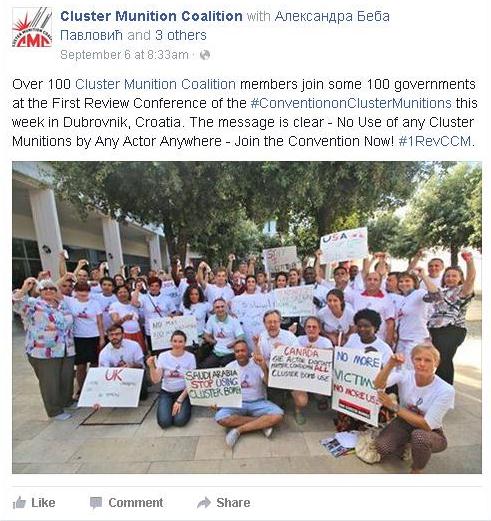
In its short yet robust life, the CCM has been a heralded success, with over 70% of cluster munitions held in the world’s stockpiles having been destroyed. Clearance of contaminated lands in affected countries and regions is also going on steadily. These achievements have been tempered with some sobering new statistics. Read more…
Images from the nuclear weapons “heartland”
Guest commentary
by Greg Mello
We cannot easily convey the reality of life and culture in the US nuclear weapons “heartland” but perhaps these images will help. They cannot replace reasoned discourse, or first-hand experience, but they may help supplement them.
It is important for activists, parliamentarians, and diplomats to realize that the US will NEVER negotiate a comprehensive treaty eliminating nuclear weapons, aka a nuclear weapons convention. It is possible that people who have no first-hand personal experience in the nuclear weapons complex, or in the executive or Congress, imagine that the US is more open to disarmament than it is. US diplomats lie continuously and well. Read more…
Australia spills some water
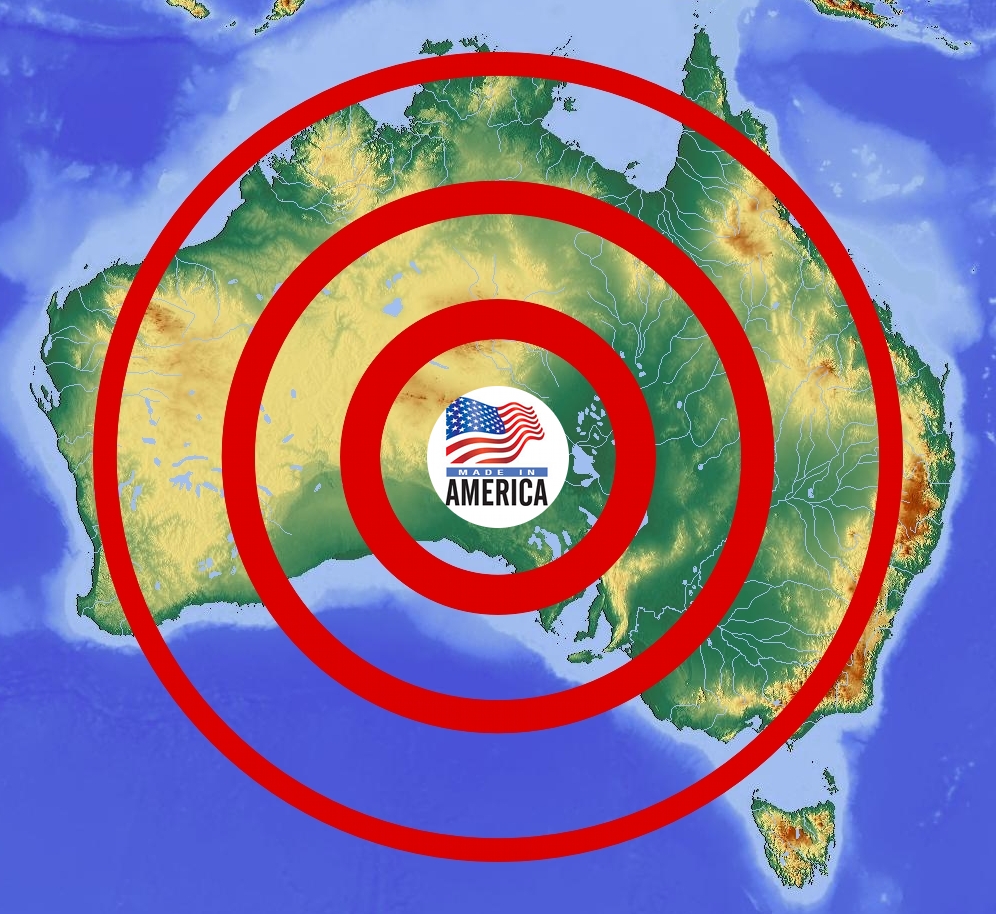 When you carry someone else’s water, you have to expect that some of it might spill.
Tim Wright of ICAN Australia has obtained a revealing new set of documents from the Australian government as the result of a Freedom of Information request. Read more…
The nuclear weapons era ends: Not with a bang but with songs!
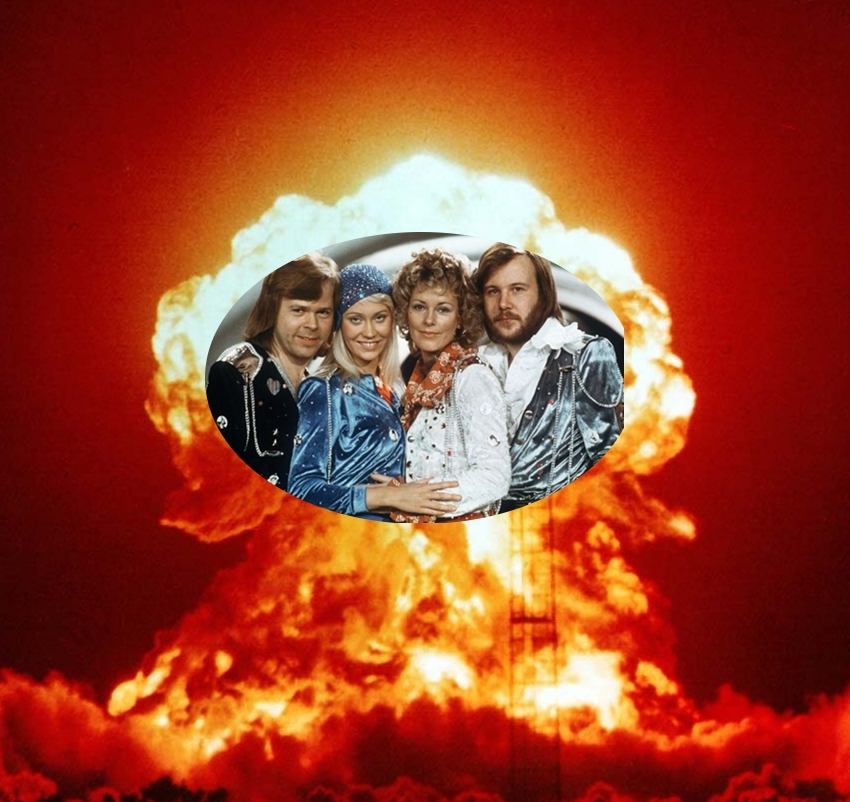 The happy year 2045.
Finally it happened: One month ago, on Aug 6 2045, the century of slavery under the nuclear threat ended.
For thirty years the nuclear arms race between China and the USA had been going on. The Chinese brandished new nuclear missiles at the First of May parades, year in and year out. Thousands and thousands of missiles. So the USA had to keep up. Read more…
No Rest for Weary Arms Control Campaigners
Campaigners have recently dragged their suitcases from Cancun to Croatia to raise their voices against weapons of war and the suffering they inflict on humans and the environment around the world.
The First Conference of States Parties to the Arms Trade Treaty (ATT) #CSP2015 no sooner ended in late August in Cancun, Mexico when the First Review Conference to the Convention on Cluster Munitions (CCM) began yesterday in Dubrovnik, Croatia. IPPNW leaders have been active in both efforts for many years. Read more…
Can nuclear war be avoided?

Robert McNamara, former US Secretary of Defense and member of the Canberra Commission
The members of the Canberra Commission included former leading politicians and military officers, among others a British field marshal, an American general, an American Secretary of Defense, and a French Prime Minister. The Commission unanimously agreed in their 1996 report that the proposition that nuclear weapons can be retained in perpetuity and never used — accidentally or by decision — defies credibility. The only complete defence, they concurred, is the elimination of nuclear weapons and assurance that they will never be produced again.
This is no less true today. Nuclear weapons will be used if they are allowed to remain with us. And even a “small” nuclear war, using one per cent or less of the world’s nuclear weapons, might cause a world wide famine causing the death of as many as two billion humans. Read more…
In 1915, a mother’s protest against funneling children into war became the theme of a new American song, “I Didn’t Raise My Boy to Be a Soldier.” Although the ballad attained great popularity, not everyone liked it. Theodore Roosevelt, a leading militarist of the era, retorted that the proper place for such women was “in a harem―and not in the United States.”
Roosevelt would be happy to learn that, a century later, preparing children for war continues unabated. Read more…
Reaching Shared Meaning for Peace
Guest authors Donna J. Perry, Christian Guillermet Fernández, and David Fernández Puyana
Peace is a necessary condition for global realization of the right to health.
Our paper, The Right to Life in Peace: An Essential Condition for Realizing the Right to Health published in June 2015 by the Health and Human Rights Journal discusses an international movement toward elaborating the “right to peace” by the Human Rights Council (HRC) of the United Nations in Geneva. The initiative has had broad global support.
However, formulating the human longing for peace into specific words that define peace and its necessary conditions has not yet been successful in reaching consensus. Read more…
The blogosphere is atwitter that the great global gun grab has begun now that the Arms Trade Treaty (ATT) First Conference of States Parties (CSP1) has commenced in Cancun, Mexico.
Adam Weinstein’s brilliant piece “It’s a U.N. ‘Gun Grab’ — Reach for Your Wallets!” in the new “The Trace” is a great retort and analysis.
But let’s get back to reality and the vital importance of a robustly implemented ATT, and the millions of lives and livelihoods that are at stake today.
Writing in the Reaching Critical Will ATT Monitor Ray Acheson of the Women’s International League for Peace and Freedom quotes Peter Maurer, the president of the International Committee of the Red Cross (ICRC) in his video statement at the opening session of the CSP1: Read more…

Photo: Sean Clee – Courtesy of Control Arms Coalition
Millions of lives continue to be devastated and every continent marred by armed violence. Now the world has a chance to change this.
In ten days States will come together for the first annual meeting of the Arms Trade Treaty (ATT), where they must make important decisions about how it will be implemented. Read more…

 Bimal Khadka
 Bjorn Hilt
 Charles K. Johnson
 Dr. Ghassan Shahrour
 Gunnar Westberg
 IPPNW
IPPNW John Loretz
 Lawrence Wittner
 Maria Valenti
 mollymcgint
 Sue Wareham
 Tilman Ruff
 Tim Wright
 Xanthe Hall