Eighty years of nuclear terror
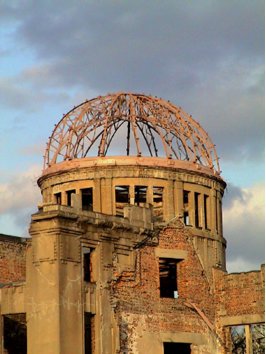
Ever since the atomic bombings of Japanese cities in August 1945, the world has been living on borrowed time.
The indications, then and since, that the development of nuclear weapons did not bode well for human survival, were clear enough. The two small atomic bombs dropped on the cities of Hiroshima and Nagasaki killed between 110,000 and 210,000 people and wounded many others, almost all of them civilians. In subsequent years, hundreds of thousands more people around the world lost their lives thanks to the radioactive fallout from nuclear weapons testing, while substantial numbers also died from the mining of uranium for the building of nuclear weapons.
Read more…At a time when international cooperation provides the key to preventing a variety of global calamities―including nuclear war, climate catastrophe, and massive starvation―it’s tragic that major nations, ruled by nationalist, rightwing parties, are on a collision course with the organizations that represent the international community.
Read more…by Kati Juva
Educating people about the catastrophic consequences of nuclear war has been the mission of IPPNW since it’s foundation. We have always regarded the threat of nuclear war as a health issue, without regard to international politics.
This view has been shared widely among health professionals and health organisations. The World Medical Association (WMA) and the International Committee of Red Cross (ICRC) have made strong statements against nuclear weapons. In the 1980s, the WHO published a thorough report on the impacts of nuclear war on health and health services.
Read more…We need to end nuclear weapons, before they end us
by Chris Zielinski, Andy Haines, and Tilman Ruff
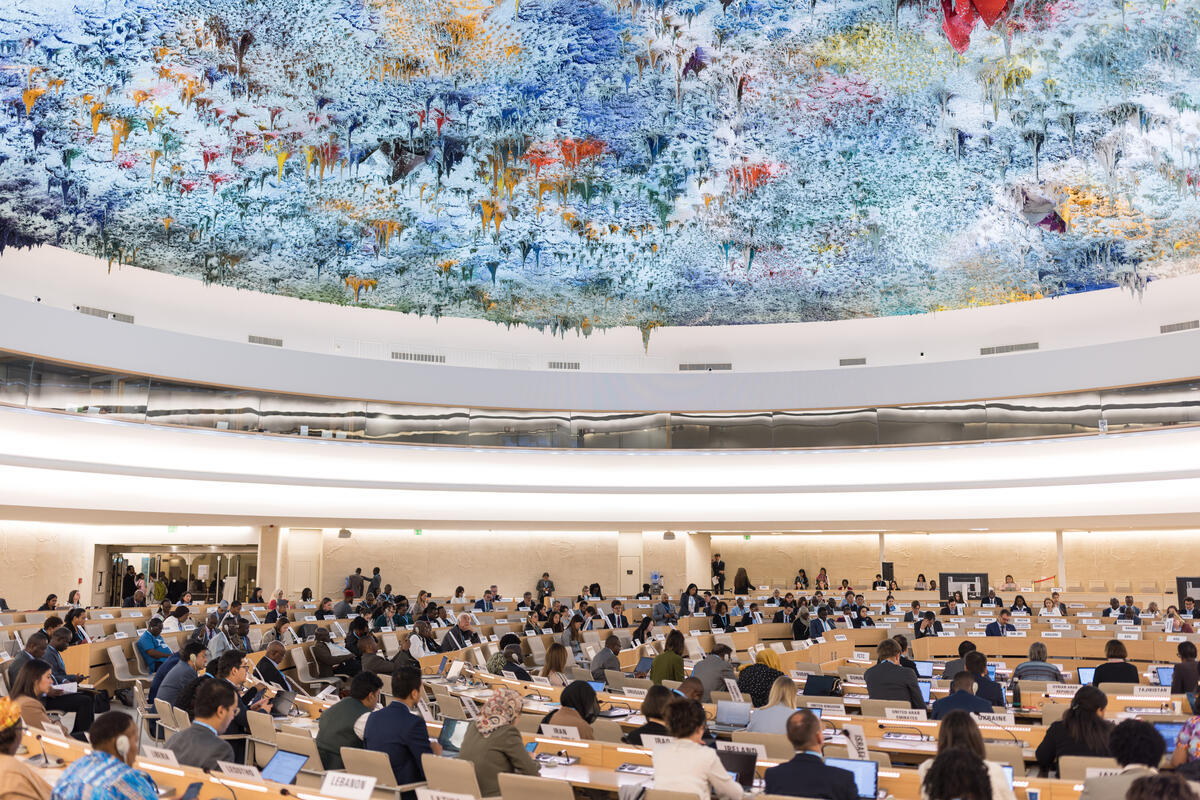
At the World Health Assembly in Geneva, 86 countries recently voted in favour of the World Health Organization (WHO) re-engaging with nuclear weapons as a health issue.
The vote, on 26 May, followed more than a year of advocacy. An initial proposal tabled by international Physicians for the Prevention of Nuclear War (IPPNW) was followed by energetic action by IPPNW and a number of key countries, including Pacific Island nations and Kazakhstan.
This work was supported by an editorial published in medical journals around the world, with the official backing of the World Association of Medical Editors (WAME).
Read more…Double standards and nuclear weapons
by Kati Juva
Nowhere are double standards and hypocrisy more evident than in relation to Israel and its nuclear policy. The only nuclear power in the Middle East has been allowed to carry out genocide in Gaza and bomb a sovereign state with impunity. There is no talk of economic sanctions or ending arms sales. There are barely any muted calls to stop the destruction of the Palestinians, and the bombing of Iran has even been cheered in many places.
Read more…Scuttling international humanitarian assistance
Since the return of Donald Trump to the White House, he and his Republican allies have worked to destroy the U.S. government’s overseas humanitarian aid programs.
This action flies in the face of the U.S. government’s lengthy record of humanitarian assistance to people of other nations whose lives had been blighted by war, poverty, and illness. From the Marshall Plan to rebuild war-devastated Europe, to Senator George McGovern’s Food for Peace project to feed the hungry, to massive international public health campaigns to eradicate global diseases, U.S. aid programs have played an important role in alleviating human suffering around the world.
Read more…Landmines are everyday weapons of mass destruction
by Kati Juva
IPPNW and ICAN have a meritorious history in opposing nuclear weapons and other weapons of mass destruction. Anti-personnel landmines can be considered everyday weapons of mass destruction. They have killed more than 120,000 people from 1999 to 2017, and in 2023 more than 5,700 casualties have been recorded.
Anti-personnel landmines are totally inhumane weapons. They do not distinguish between soldiers and civilians; thus, they violate the Geneva Conventions. Over 80% of casualties are civilians, and 40% of those are children. Landmines also continue to kill and maim people for years after the end of conflict.
Read more…Read the full statement here and below. 13 June, 2025.
The International Physicians for the Prevention of Nuclear War (IPPNW) condemns Israel’s military strikes on Iran and calls for an immediate ceasefire to prevent further escalation and the loss of civilian life.
Iran is not currently assessed by the International Atomic Energy Agency (IAEA) or the US government to have an active nuclear weapons program. This attack by a nuclear-armed state undermines ongoing US-led diplomatic efforts to restore non-proliferation efforts in the region.
Read more…Read the statement in full below and here.
The International Physicians for the Prevention of Nuclear War (IPPNW) unequivocally condemns the continued and escalating attacks on Gaza’s healthcare system and medical personnel by Israeli forces. The ongoing deliberate targeting of hospitals, clinics, ambulances, and healthcare workers has resulted in catastrophic loss of life and constitutes grave violations of international humanitarian law and the fundamental principles of medical neutrality.
Read more…Effects of nuclear war on public health
[The following statement was delivered on behalf of IPPNW by Dr. Andy Haines at the World Health Assembly on 26 May. A WHA resolution calling for an updated WHO study on the effects of nuclear war on health and health services was passed by a vote of 86-14, with 28 abstentions.]
International Physicians for the Prevention of Nuclear War, recipient of the Nobel Peace Prize in 1985, firmly believes the health imperative to avoid nuclear war is as urgent as it has ever been.
Read more…
 Bimal Khadka
 Bjorn Hilt
 Charles K. Johnson
 Gunnar Westberg
 IPPNW
IPPNW John Loretz
 Lawrence Wittner
 Maria Valenti
 mollymcgint
 Sue Wareham
 Tilman Ruff
 Tim Wright
 Xanthe Hall


 IPPNW peace and health blog