Enforcement of international law is long overdue
International law―the recognized rules of behavior among nations based on customary practices and treaties, among them the United Nations Charter and the Universal Declaration of Human Rights―has been agreed upon by large and small nations alike. To implement this law, the nations of the world have established a UN Security Council (to maintain international peace and security) and a variety of international courts, including the UN’s International Court of Justice(which adjudicates disputes between nations and gives advisory opinions on international legal issues) and the International Criminal Court (which prosecutes individuals for crimes of genocide, crimes against humanity, war crimes, and the crime of aggression).
Yet nations continue to defy international law.
Read more…by Dr. Bimal Khadka, originally published to Medact’s blog on May 1, 2024.
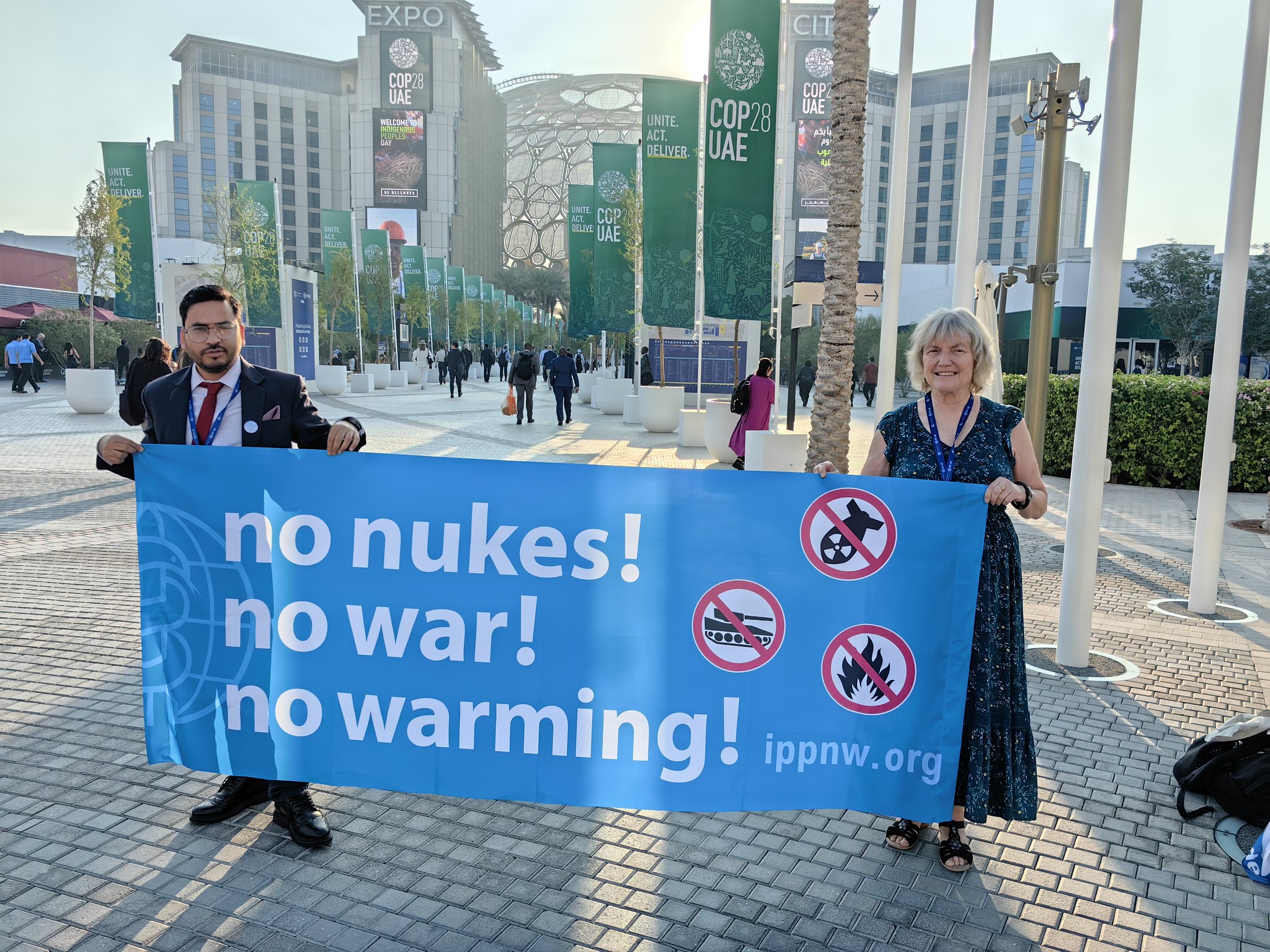
Back in December, the 28th Conference of the Parties to the United Nations Framework on Climate Change (UNFCCC), better known as COP28, hosted an unprecedented assembly of health delegates – setting a historic benchmark. I attended the conference as part of a delegation from International Physicians for the Prevention of Nuclear War (IPPNW), of which Medact is the UK affiliate. Over 1900 health professionals observed a landmark inaugural ‘Health Day’ at the conference. With the goal of Disarmament for Climate Justice and Health, IPPNW and Medact participated at COP28 to ensure human and environmental health was at the center of decision making. Here are some key highlights from the conference, and considerations of the path towards disarmament for health and climate justice.
Read more…Nuclear War: Too much information
Book review of “Nuclear War. A Scenario” by Annie Jacobsen
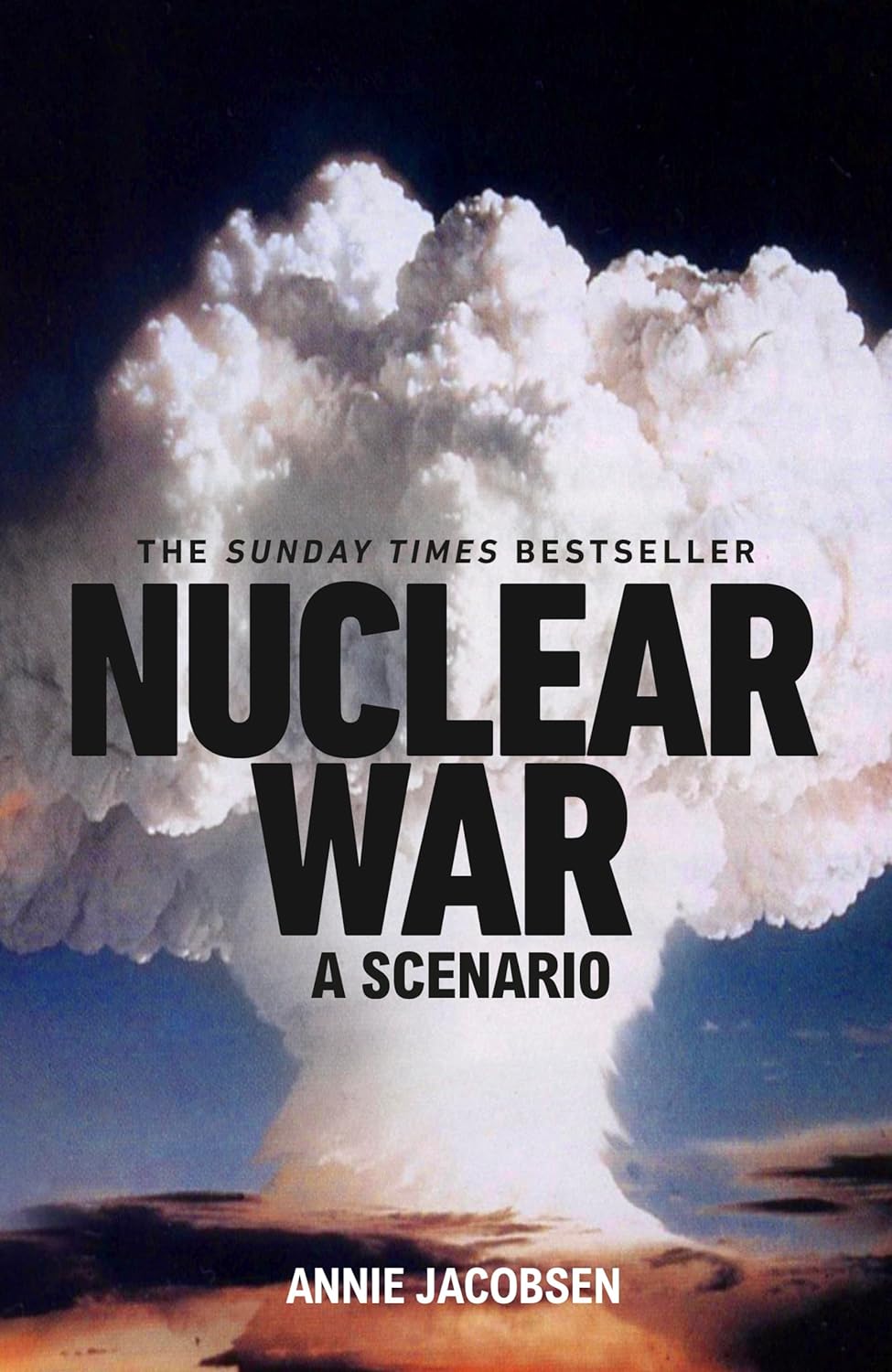
I had heard some criticism of Annie Jacobsen’s book “Nuclear War” before I even bought it. But also, lots of people were raving about it, so I decided to read it myself. This review contains a few spoilers, but I don’t think the plot is the main motivation for reading this book, although it does read like a dystopian novel.
If you want to know what a full-scale nuclear war might look like and how it could plausibly begin (and end), then this book is very valuable. Just looking at the copious notes and bibliography (almost 60 pages) shows that an inordinate amount of time went into the research. It covers nuclear strategy and targeting plans, the effects of one and of multiple explosions, (lack of) continuance of government, the uselessness of missile defence, the problem of misunderstanding and miscalculation, and many other aspects of the problem.
Read more…The forgotten element in averting nuclear catastrophe
What will it take to end the nuclear nightmare that has gripped the world since the atomic bombings of 1945?
For a time, that nightmare seemed to have abated for, in response to massive popular resistance to the prospect of nuclear war, governments turned to signing nuclear arms control and disarmament agreements. Even previously hawkish government officials proclaimed that “a nuclear war cannot be won and must never be fought.”
In recent decades, however, nuclear-armed nations have scrapped nuclear arms control and disarmament treaties, begun the massive upgrading and expansion of their nuclear arsenals, and publicly threatened other nations with nuclear war. The Bulletin of the Atomic Scientists, which has assessed the nuclear situation since 1946, has turned the hands of its “Doomsday Clock” to 90 seconds to midnight, the most dangerous setting in its history.
Why has this renewed flirtation with nuclear Armageddon occurred?
Read more…by 2023 Mombasa Bike Tour participants: Stella Ziegler, Arashdeep Singh, Dennis Opondo, Harrison Kuria Karime, Hemant Rathore, Yusuf Dominic, Victor Chelashow
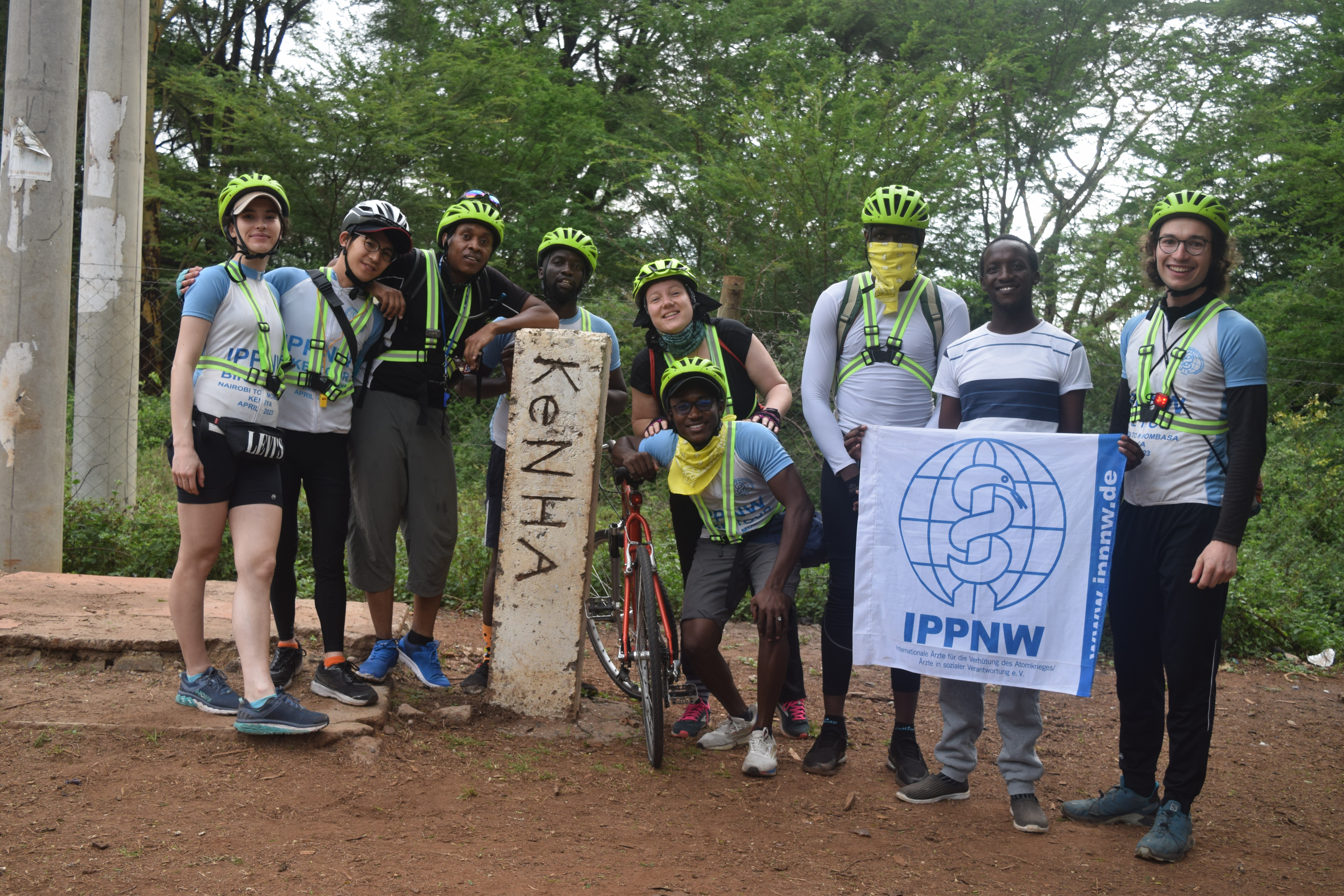
In April 2023, over a dozen IPPNW medical students and junior doctors from 9 countries braved a 500km bike tour from Nairobi to Mombasa, Kenya, leading to IPPNW’s 23rd World Congress. Throughout the 5 day journey, the young leaders rallied junior doctors and medical students to raise awareness and promote action on disarmament, climate justice, and health. Participants met with local community members, decisionmakers, religious leaders, and more. On the journey, the close-knit group learned about each other’s cultures, sang karaoke, discussed perspectives on the threats to life, and united in the common goal of creating a safer, healthier future for future generations.
Read more…Narendra Modi is wrong about nuclear disarmament
by Arun Mitra
Speaking in an election rally in Madhya Pradesh on April 15, Prime Minister Narendra Modi made a mockery of nuclear disarmament.
In his speech he said “those who talk of nuclear disarmament cannot protect the country.” Some constituents of INDIA group talk of nuclear disarmament, he warned. There can be only two inferences from his statement. One, that he is using it for petty electoral gains by projecting himself as the saviour of the country who talks on the position of military strength. The other inference could be that he is naïve about the catastrophic consequences of nuclear weapons.
Read more…IPPNW donor spotlight: Gislin Dagnelie
This article was originally published on IPPNW’s bi-annual newsletter Vital Signs

Dr. Gislin Dagnelie first became aware of IPPNW when he was still living in his homeland: the Netherlands. His father was a pulmonologist who eventually served on the Dutch IPPNW board of directors and traveled to international conferences, including to Leningrad, where he joined with Russian doctors also working for peace.
Read more…by Michael Christ, IPPNW’s Executive Director, originally published on IPPNW’s bi-annual newsletter Vital Signs

As diplomats assembled at United Nations Headquarters for the second Meeting of States Parties to the Treaty on the Prohibition of Nuclear Weapons (2MSP/TPNW), an IPPNW volunteer force of more than 50 doctors, medical students and activists from 14 countries descended on New York to reinforce the urgent need to prevent nuclear war by abolishing nuclear weapons.
Read more…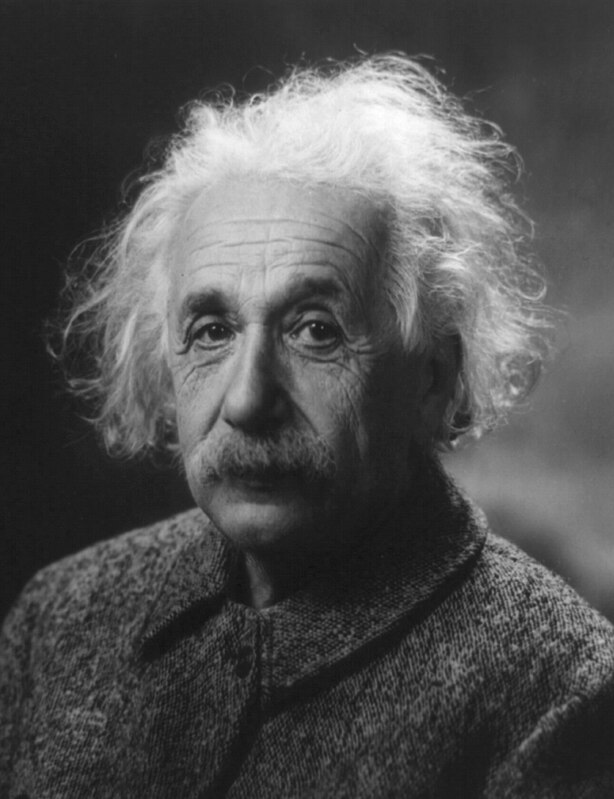
Although the popular new Netflix film, Einstein and the Bomb, purports to tell the story of the great physicist’s relationship to nuclear weapons, it ignores his vital role in rallying the world against nuclear catastrophe.
Aghast at the use of nuclear weapons in August 1945 to obliterate the cities of Hiroshima and Nagasaki, Einstein threw himself into efforts to prevent worldwide nuclear annihilation.
Read more…Ode to Gaza
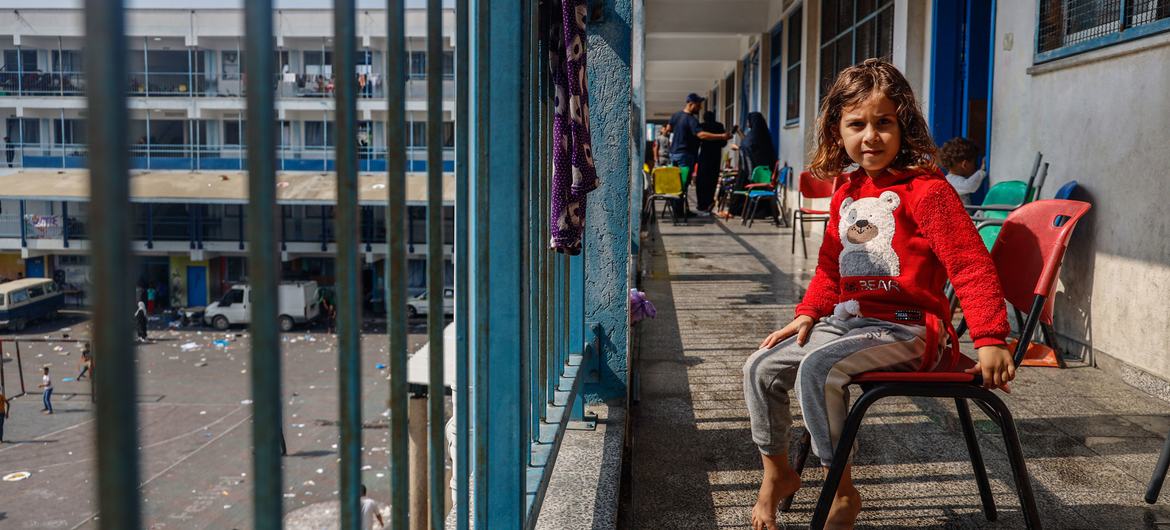
I have never been to Palestine, nor Israel for that matter, for fear my heart would break. Now it breaks anyway. I cannot see those lovely brown-eyed children playing, laughing, bleeding, dying, dead. So quickly: here today, gone tomorrow. Or those who lost their parents and wait patiently in groups of other orphans for a bit of food or the next bomb. I cannot bear to see it because it fills me with rage at my own helplessness. With all my privilege and intact housing. My smooth bike ride to work on a road with no rubble. Three meals a day, if I choose not to diet. I can harvest my olive trees without fear of being shot.
Read more…
 Bimal Khadka
 Bjorn Hilt
 Charles K. Johnson
 Gunnar Westberg
 IPPNW
IPPNW John Loretz
 Lawrence Wittner
 Maria Valenti
 mollymcgint
 Sue Wareham
 Tilman Ruff
 Tim Wright
 Xanthe Hall


 IPPNW peace and health blog