A Push for Africa’s Leadership in the Universalization of the Nuclear Ban
by Dr. Kelvin Kibet, Deputy Chair and African Regional Vice President of IPPNW, Kenya
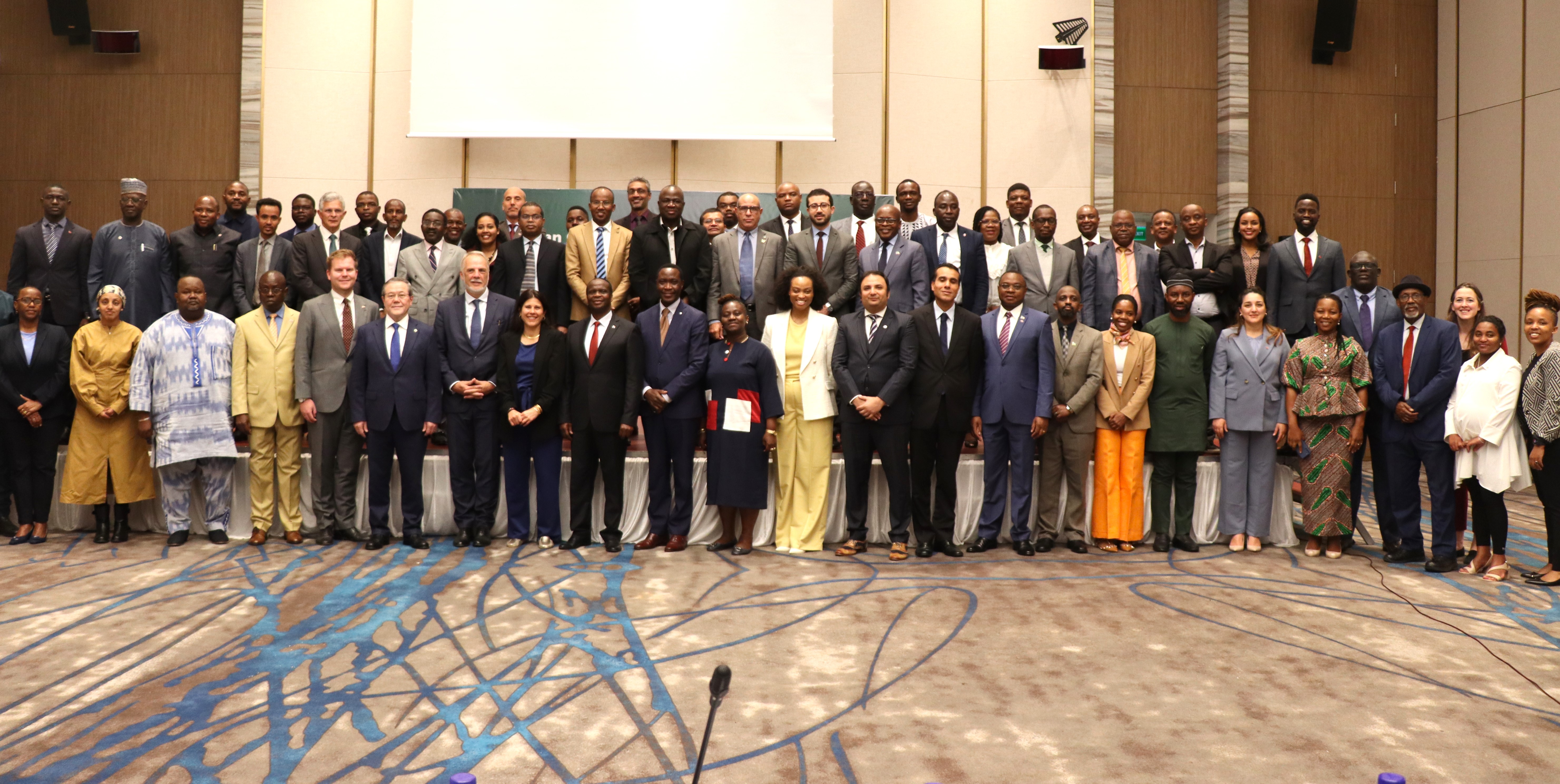
As the disarmament community braces for the 3rd Meeting of States Parties to the Treaty on the Prohibition of Nuclear Weapons (TPNW) in March 2025, and the global diplomatic community prepares for the 2024 United Nations General Assembly, the push for nuclear disarmament is gaining critical momentum. The recent conference on the universalization of the TPNW, organized by South Africa and Austria with support from the International Campaign to Abolish Nuclear Weapons (ICAN) and the International Committee of the Red Cross (ICRC), emphasized Africa’s pivotal role in championing a nuclear-weapon-free world. African nations have been strong advocates for disarmament, and now, more than ever, their leadership is needed to accelerate global progress toward abolishing nuclear weapons.
Read more…The law of force or the force of law
Are the nations of the world doomed to go on fighting the brutal, horrifying wars that have long characterized human history?
We might well wonder about that as we watch, aghast, while Israeli armed forces slaughter thousands of Palestinian civilians, Russian military might relentlessly pounds Ukrainian towns and cities into rubble, and new, bloody wars erupt in numerous other lands.
Why does such widespread destruction and human suffering persist in the modern, ostensibly “civilized,” world?
Read more…Making nuclear weapons taboo
by Carlos Umaña

When the Cold War ended in 1991 and the Doomsday Clock was at its furthest from midnight, the world sighed in relief. The prevailing thought was that, in a world that was no longer bipolar, there would be no more use for nuclear weapons, so the superpowers would disarm, and we would all be safe. It was a moment of hope where many believed this low tension between the military and economic powers of the world would lead to peace talks and nuclear disarmament.
So, why didn’t nuclear disarmament happen when the iron curtain fell? Why didn’t nukes die when the Cold War ended, as they should have? What was missing? What did the international community get wrong?
Read more…Let’s think about how to build a more peaceful world
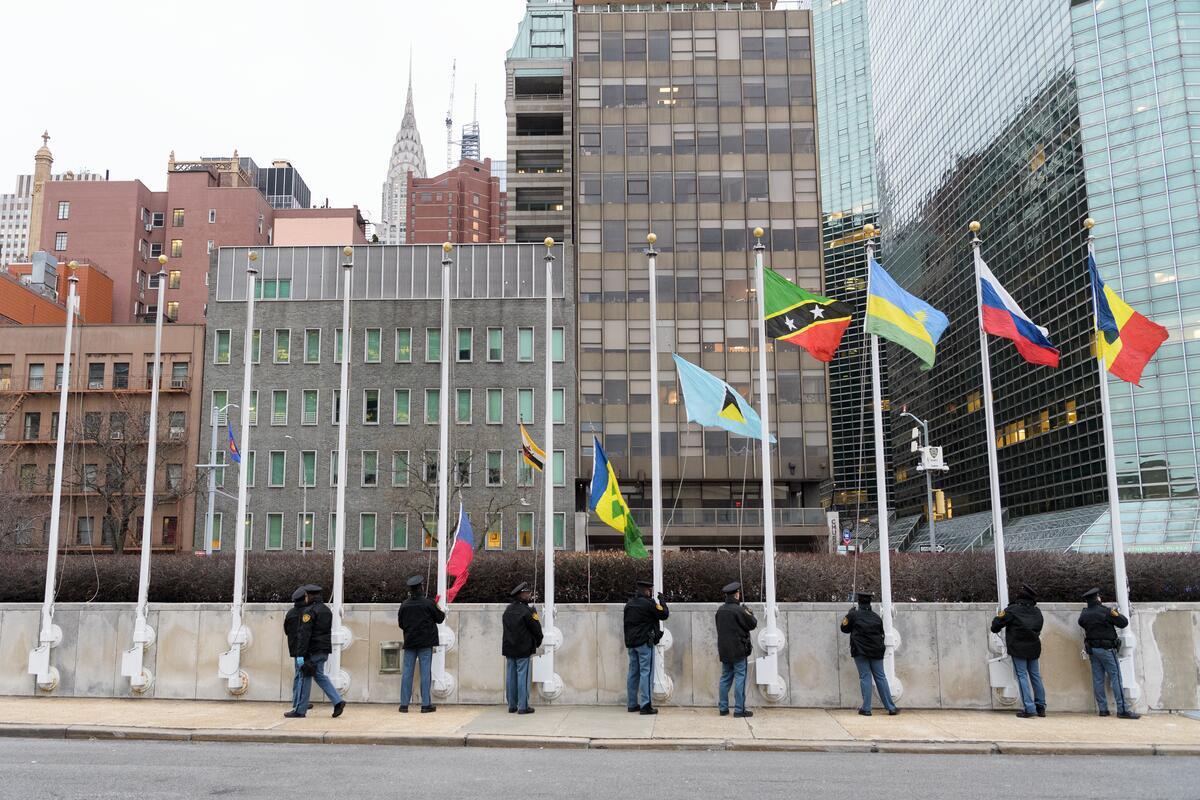
Although the current US presidential campaign has focused almost entirely on domestic issues, Americans live on a planet engulfed in horrific wars, an escalating arms race, and repeated threats of nuclear annihilation. Amid this dangerous reality, shouldn’t we give some thought to how to build a more peaceful future?
Read more…Donald Trump’s reckless infatuation with nuclear weapons
Over the past decade and more, nuclear war has grown increasingly likely. Most nuclear arms control and disarmament agreements of the past have been discarded by the nuclear powers or will expire soon. Moreover, there are no nuclear arms control negotiations underway. Instead, all nine nuclear nations (Russia, the United States, China, Britain, France, India, Pakistan, Israel, and North Korea) have begun a new nuclear arms race, qualitatively improving the 12,121 nuclear weapons in existence or building new, much faster, and deadlier weapons. Furthermore, the cautious, diplomatic statements about international relations that characterized an earlier era have given way to public threats of nuclear war, issued by top officials in Russia, the United States, and North Korea.
This June, UN Secretary-General António Guterres warned that, given the heightened risk of nuclear annihilation, “humanity is on a knife’s edge.”
This increasingly menacing situation owes a great deal to Donald Trump.
Read more…by Sue Wareham

One’s immediate thought on looking at any of the multitude of photos of the devastation of Gaza is a profound sense of sorrow and grief at the capacity of humans to wreak such destruction and suffering. There is mind-numbing despair at the plight of children who have lost everything—their parents, other family members, their own health, their education, their fun, their society, their future.
As catastrophic as this is, it is not even the full picture of the harm being wrought in the destruction of Gaza. One can’t help wondering also: when rebuilding eventually starts, where will whole neighbourhoods of rubble go? It will need new neighbourhoods of rubble simply to hold it all, or that very useful waste dump—the ocean. Moving it all and starting again will be part of a hidden problem in the war on Gaza—its greenhouse gas emissions.
Read more…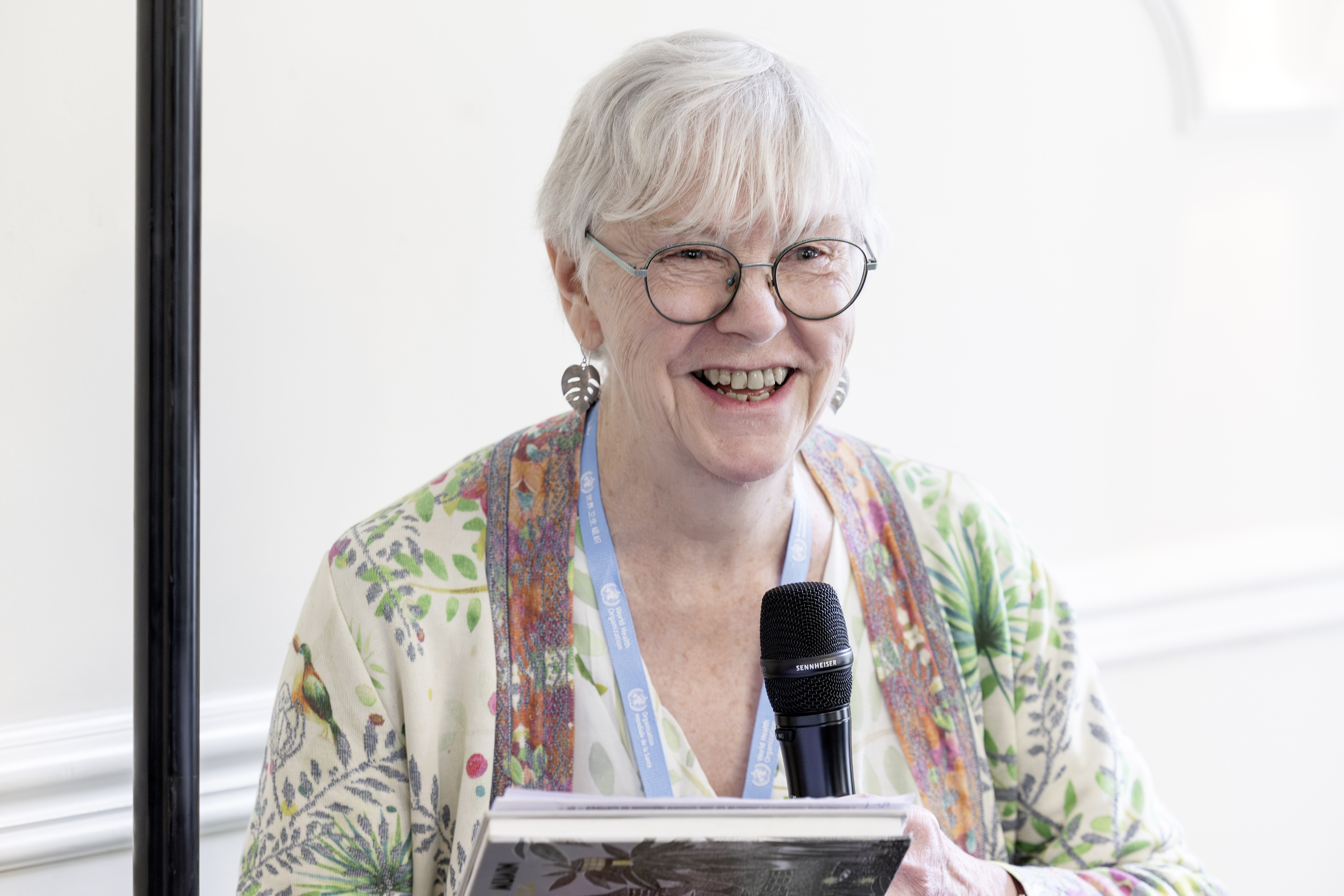
by Kati Juva
IPPNW was founded more than 40 years ago, and the main objective was to tell people—decision makers, physicians, students and the public about the devastating consequences of nuclear weapons and nuclear war. At the height of the Cold War, the threat of a nuclear war was palpable and even young children had fears of the end of the world. Meanwhile, in many parts of the world, bomb shelters were built that were said to protect from atomic bombs, and children were taught to “duck and cover” under the school desks were they to see an explosion flash.
Read more…by Dr. David Onazi, IPPNW Co-President

On 10-11 May 2024, The Vatican’s Fratelli Tutti Foundation brought twenty Noble Laureates and leaders together for the second World Meeting on Human Fraternity. Represented by three of our four Co-Presidents — Drs. Kati Juva, David Onazi, and Carlos Umaña — IPPNW participated in the meeting and the drafting of the Declaration, “We Reject War: Let diplomacy prevail over arms. We want Peace!”, ensuring that the urgent need to eliminate nuclear weapons was captured in the final statement.
Read more…Call for Sanity, Call for Action
[The following statement was adopted by IPPNW’s International Council (IC) at the conclusion of our June 2024 virtual IC and Board meetings.]
Today humankind faces the twin existential threats of climate change and nuclear war. The former is already making large parts of our planet uninhabitable; far greater climate action is critically needed. For nuclear war, which could kill billions and end human civilisation, prevention is the only cure.

At the same time, war and armed conflict has killed or injured hundreds of thousands of people. Millions more have been forced to abandon their homes. The already devastating conflicts in Ukraine and Palestine involving nuclear-armed states raise the spectre of wider regional wars or even a global confrontation. Respect for international humanitarian law and the protection of civilians, children, and health professionals in armed conflict must be restored.
Read more…Re-engaging WHO on nuclear weapons and health
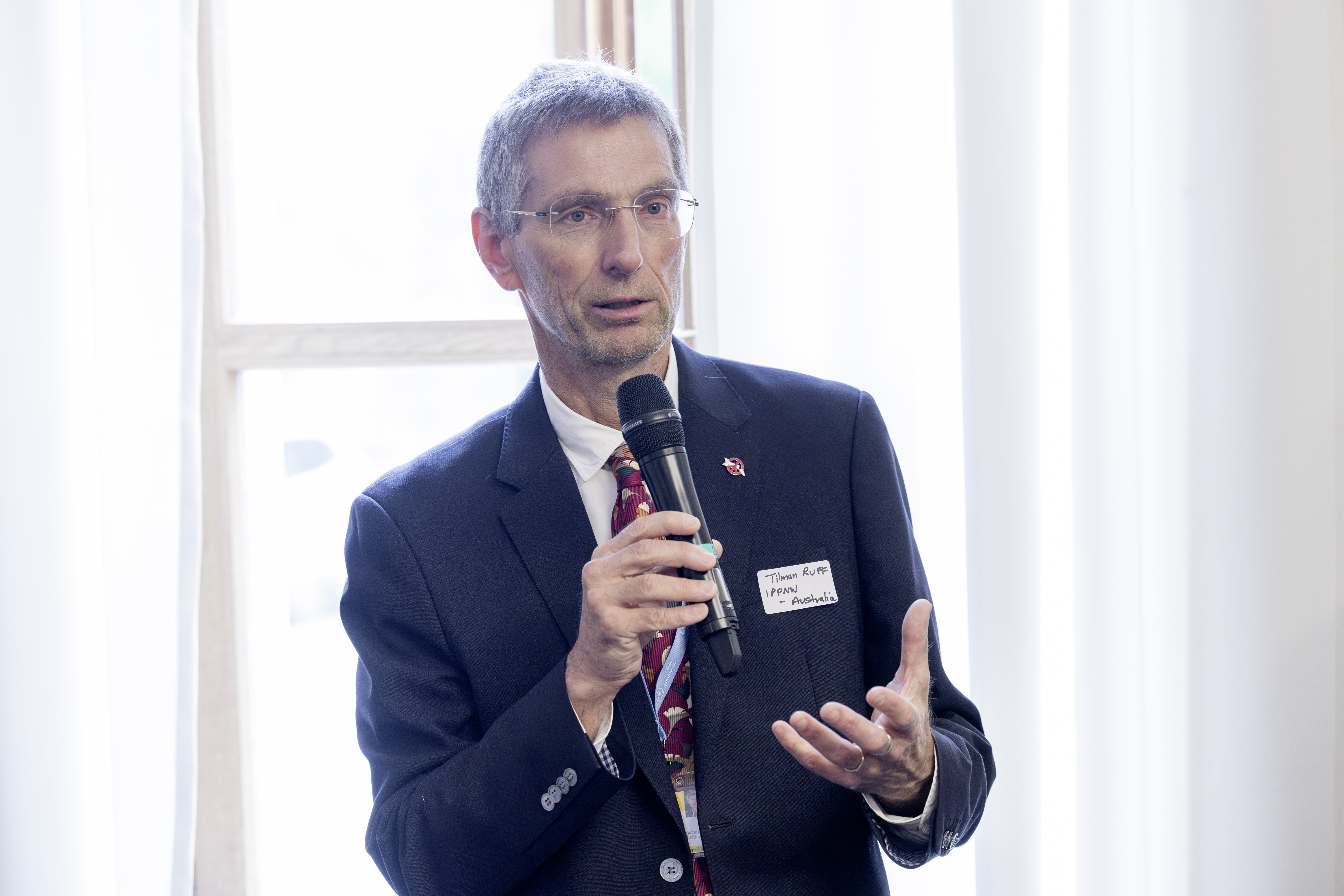
[The following is an edited version of a presentation made by IPPNW board member and former co-president Tilman Ruff at an IPPNW side event at the World Health Assembly in Geneva on 31 May. The event was co-sponsored by Austria, Kazakhstan, and Mexico.]
I’m honoured to say a few words on behalf of IPPNW to encourage and support renewed engagement by WHO in the issue of nuclear weapons and health, and specifically for an updated report on the effects of nuclear war on health and health services.
Indeed, as the world’s leading technical agency in health, WHO has a unique role in providing authoritative evidence on the most acute existential threat facing humankind, as a key part of the evidence base to underpin informed policies of member states.
Read more…
 Bimal Khadka
 Bjorn Hilt
 Charles K. Johnson
 Gunnar Westberg
 IPPNW
IPPNW John Loretz
 Lawrence Wittner
 Maria Valenti
 mollymcgint
 Sue Wareham
 Tilman Ruff
 Tim Wright
 Xanthe Hall


 IPPNW peace and health blog