The humanitarian initiative and the NPT
The third and final preparatory committee meeting for the 2015 Non-Proliferation Treaty Review Conference will convene at the end of April at the United Nations in New York. Central to this Review will be an assessment of progress on the NPT Action Plan adopted in 2010. Sadly, barring some dramatic development, there won’t be much to assess.
The final document of the 2010 NPT Review Conference expressed “deep concern at the continued risk for humanity represented by the possibility that these weapons could be used and the catastrophic humanitarian consequences that would result from the use of nuclear weapons.”
The recognition that these consequences are the basis of the disarmament obligations of NPT Member States and, in fact, make the elimination of nuclear weapons an urgent priority, has given rise to a series of joint statements by NPT and UN Member States on the humanitarian impact of nuclear weapons and to two international conferences—one in Oslo in March 2013, and a second in Nayarit, Mexico in February of this year. A third conference will take place in Vienna later this year. Read more…
Humanitarian message is the key to nuclear abolition
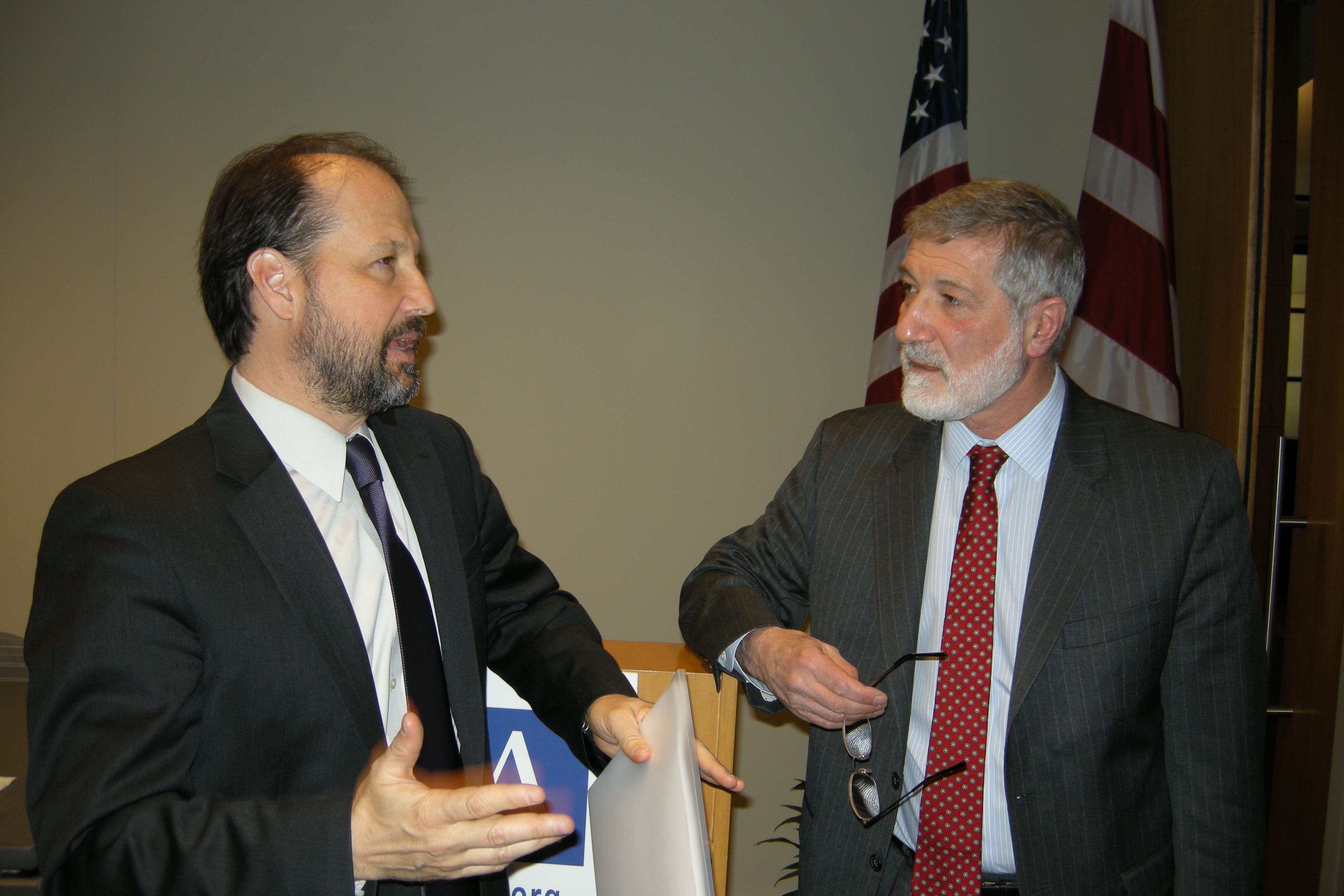
Ira Helfand (right) and Arms Control Association executive director Daryl Kimball, who moderated the panel discussion.
[On March 31, IPPNW co-president Ira Helfand participated in a roundtable discussion on the NPT and the humanitarian consequences of nuclear weapons, co-sponsored by the Arms Control Association and IPPNW’s US affiliate, Physicians for Social Responsibility. The following article is adapted from Dr. Helfand’s remarks. A complete transcript, including presentations by Ambassador Desra Percaya, Mission of Indonesia to the United Nations; Gaukhar Mukhatzhanova, Senior Research Associate at the Center for Nonproliferation Studies; and George Perkovich, Director of the Nuclear Policy Program at the Carnegie Endowment for International Peace is available at the Arms Control Association website.]
By Ira Helfand
Back in the 1980s there was a very, very widespread understanding of what was going to happen if there were a nuclear war. We’ve lost that understanding, by and large. Certainly, in the general population, there is very little understanding about what nuclear weapons can do or even how many there are in the world. Read more…
DEAD — a grave threat to global health
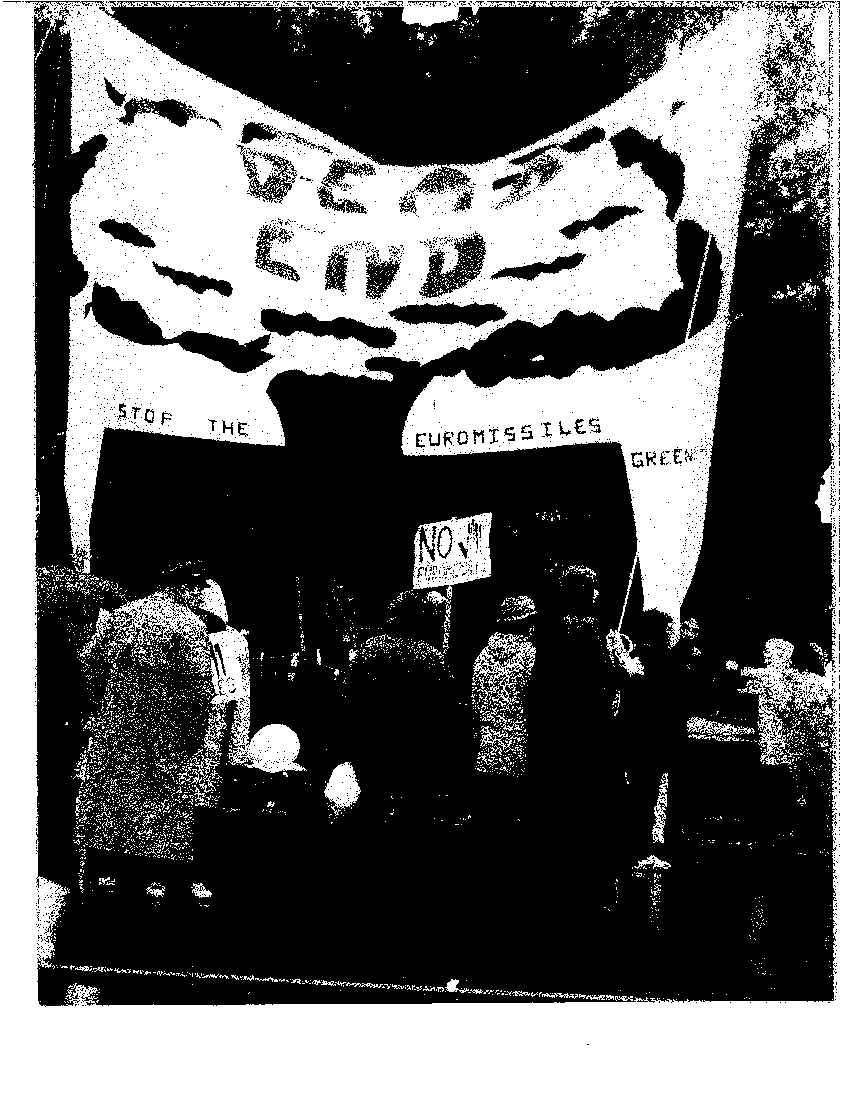
Nuclear weapons have been a dead end for decades, as these demonstrators recognized during the US-Soviet Cold War.
An uncommon but severe disorder that has been present for over half a century but is not yet officially classified is an under-recognised threat to global health. It relates to the most powerful weapons ever created, nuclear weapons, which have the potential to indiscriminately destroy most forms of life on earth. I propose the term Destruction of Everything Addiction Disorder (DEAD) to describe the condition of those who refuse to give up their reliance on these weapons despite overwhelming evidence of the harm they cause. Read more…
Who likes nuclear weapons?
 From a humanistic perspective, it may seem strange that many ordinary citizens in countries like India, Pakistan, and North Korea apparently are in favor of the insane nuclear weapons programs of their governments. Maybe they have been brainwashed with terms like national strength, power, and security? Read more…
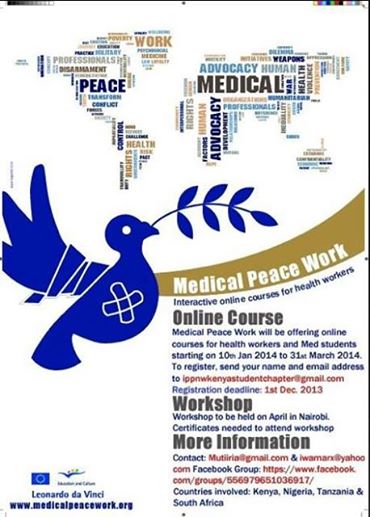 By Dr. Hellen Barsosio, Executive Director IPPNW-Kenya, and Mary Iwaret, medical student, Kenya, Medical Peace Work Africa Coordinator
As doctors in society, we are called to be more than just hospital workers and engage with the politics and social aspects of our society ‘if we are to live up to the highest ideals of the profession’ (Eisenberg, L. (1986) Rudolf Virchow: The Physician as Politician. Medicine and War, 2, 243-250). This was beautifully described by Rudolf Virchow in his famous statement that ‘medicine is a social science and politics is nothing but medicine on a larger scale.’
Medical students growing up in most African countries are confronted and sometimes overwhelmed by the varied needs in their societies including war, disease, poverty, violence, inequality and political instability. With this ‘confrontation’ comes the need to ‘fix’ whatever is wrong. In the past few years, we have noted that African medical students and young doctors are awakening to their responsibility to being more than just hospital workers. One of these areas of awakening is peace work.
What if Ukraine still had nuclear weapons?
Last week, the Wall Street Journal published a fallacious (and irresponsible) editorial, in which it claimed that “[o]ne lesson to the world of Russia’s cost-free carve-up of Ukraine is that nations that abandon their nuclear arsenals do so at their own peril.” While not exactly claiming that rampant global proliferation would make the world a more secure place, the idea that certain countries depend for their security upon either their own or someone else’s ability to annihilate the world is presented without a hint of irony.
Medical students expand their horizons in Tunisia
by Niloufar Rahim (Netherlands), Carlotta Conrad (Germany), Michelle Gin (USA)
We were invited by the International Federation of Medical Students’ Association (IFMSA) to join their Pre General Assembly (preGA) meeting, from 27 February to 3 March in Hammamet, Tunisia, leading up to their annual March meeting. Excited, we accepted the invitation, looking forward to meeting medical students from all over the world, and engaged to reinstall communication, exchange and collaboration IFMSA.
“No greater insanity” is more like it
The other day I read a news article about churches in Kentucky that are offering incentives to “unchurched” men in order to bring them into the congregation. Do I even have to make you guess?
From the Courier-Journal of March 1: “In an effort its spokesman has described as ‘outreach to rednecks,’ the Kentucky Baptist Convention is leading ‘Second Amendment Celebrations,’ where churches around the state give away guns as door prizes to lure in nonbelievers in hopes of converting them to Christ.” Read more…
Fukushima three years later: A photo essay
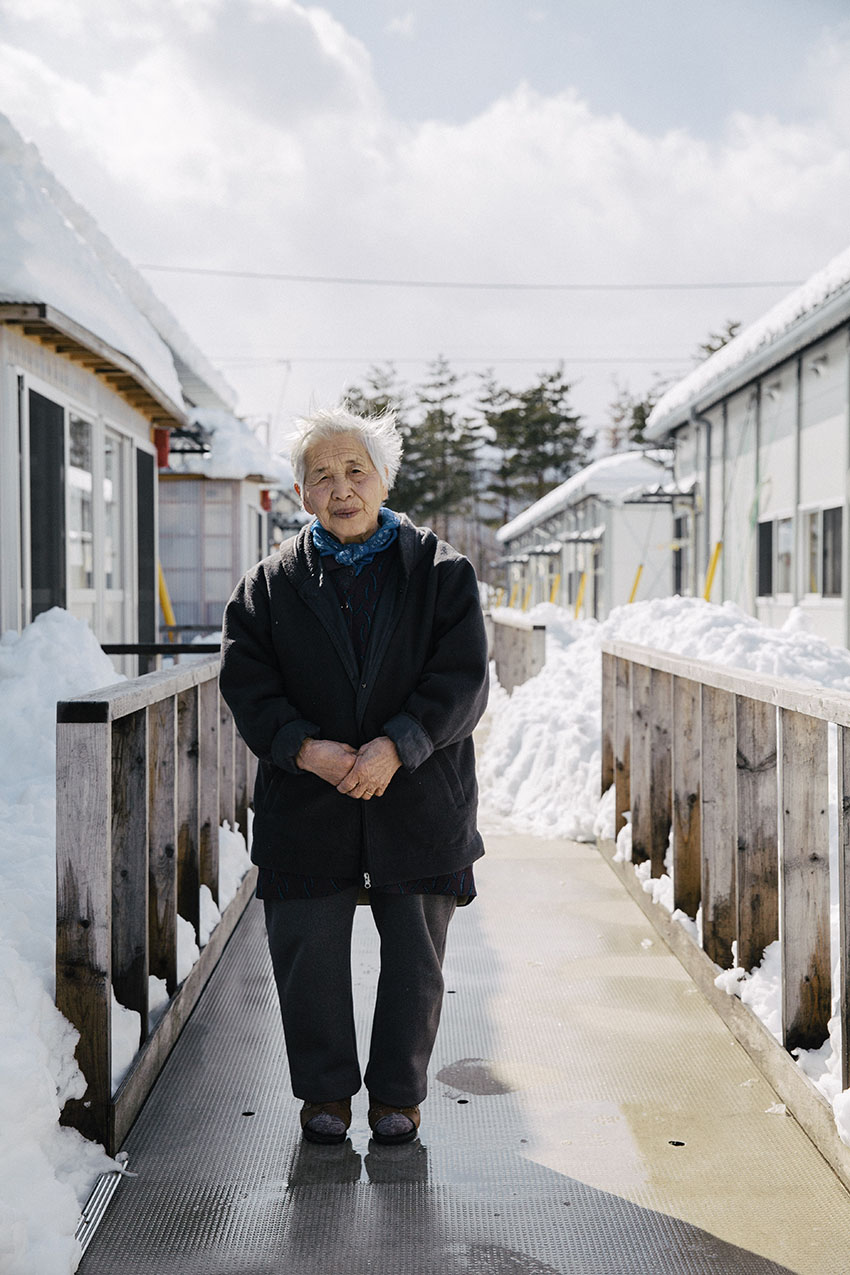 [Ed. note: Photo-journalist Kristian Laemmle-Ruff was recently in Fukushima, where he took hundreds of photos documenting the continuing health and environmental costs of the nuclear power plant disaster that devastated a city and its people and shook the world three years ago today. A selection of Kristian’s photos and his commentary are below. His father—IPPNW co-president Tilman Ruff—has written here about the ongoing public health issues that challenge Japan and the international community today as a result of the Fukushima disaster.] Read more…
The Fukushima nuclear disaster three years on
by Tilman Ruff
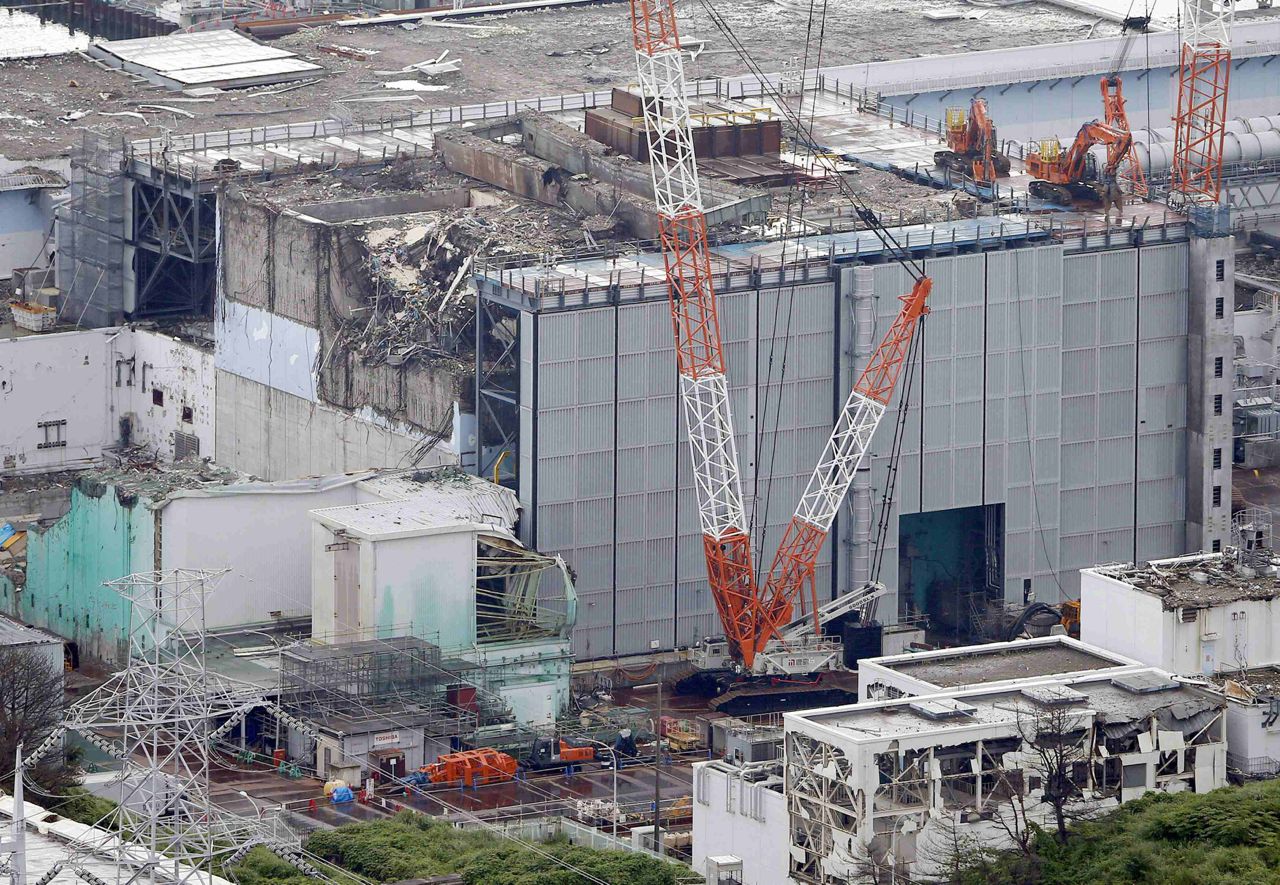
Fukushima-Daiichi Unit 3 reactor in July 2013
The world’s most complex nuclear power plant disaster continues three years on, and will continue for many years hence. Uncontrolled flows of around 1,000 tons of groundwater per day into the site continue; 400 tons of water daily flows into the damaged reactor and turbine buildings where it becomes radioactively contaminated. Some is collected—more than 430,000 tons of radioactively contaminated water is now stored in about 1,000 makeshift tanks, many of which are bolted rather than welded, lack even gauges to show how full they are, and have leaked repeatedly. Read more…

 Bimal Khadka
 Bjorn Hilt
 Charles K. Johnson
 Gunnar Westberg
 IPPNW
IPPNW John Loretz
 Lawrence Wittner
 Maria Valenti
 mollymcgint
 Sue Wareham
 Tilman Ruff
 Tim Wright
 Xanthe Hall


 IPPNW peace and health blog