A Reflection: Day 1 of IPPNW’s 24th World Congress
by Saurav Singh, Student Member of the Russian Physicians for the Prevention of Nuclear War
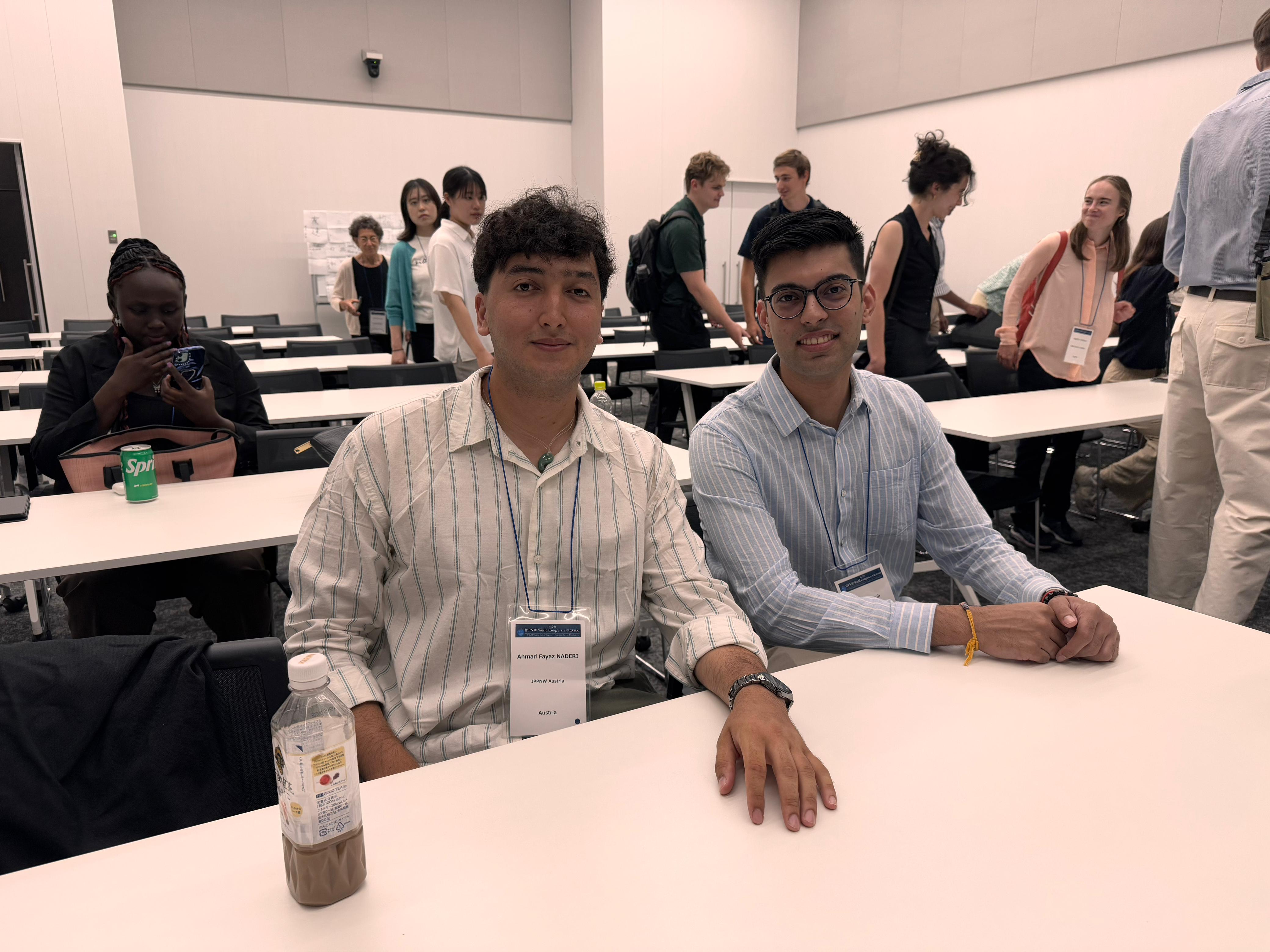
The first day of the 24th IPPNW World Congress commenced on October 2, 2025. The proceedings began with an opening ceremony featuring introductory speeches from key figures who have significantly contributed to the organization. This was followed by a keynote video address by High Representative Izumi Nakamitsu Under Secretary General at the UN Office for Disarmament Affairs. The central themes from these opening remarks emphasized that the role of medical science extends to public health advocacy beyond clinical settings and that collective action amplifies impact. A sense of urgency was conveyed to inherit the mission of peace and strive towards a future with “no more Hiroshima, no more Nagasaki.”
Following the opening session, Mr. Tanaka of Nihon Hidankyo, a survivor of the atomic bombing, addressed the attendees. He recounted the prolonged struggle and anticipation for the Nobel Peace Prize, which was unexpectedly awarded to his organization in 2024. Mr. Tanaka underscored that the wounds from the bombings 80 years prior have not yet healed, drawing a stark contrast to the potential devastation posed by the approximately 1,200 nuclear weapons currently in existence.
Subsequently, Dr. Tatsujiro Suzuki, Chair of Pugwash and Visiting Professor of Research Center for Nuclear Weapons Abolition at Nagasaki University (RECNA), delivered an address. He enumerated the key elements essential to the nuclear abolition movement: the independent role of scientists free from political influence, a universal appeal for peace, and the fundamental human call for an end to war.
Dr. Carlos Umaña, Co-President of IPPNW, highlighted a critical paradox: following the Cold War, nuclear weapons were expected to become obsolete, yet they have persisted as symbols of power in a world that remains divided. He characterized nuclear weapons as the “ultimate evil” and warned that a nuclear war is an irreversible catastrophe. He posited that while a nuclear weapon was used to end a past conflict, the global imperative now is to discover non-violent resolutions for future disputes.
A poignant narrative was shared by Melissa Parke, Executive Director of the International Campaign to Abolish Nuclear Weapons (ICAN). She described an experience in Gaza 20 years prior, how children in Gaza, aware of the suffering of the Hibakusha in Hiroshima and Nagasaki, had once lit lamps for peace at the Gaza port. Later, upon meeting the atomic bomb survivors, Ms. Parke drew a powerful connection. She recognized that the survivors, who were children during the horrifying events, shared a common thread of experience with the children in Gaza who had empathized with their plight years earlier, illustrating a profound, cross-generational bond of shared trauma and hope for peace.
The latter part of the day’s congress focused on research into the long-term effects of the atomic bombings.
The latter part of the day’s congress focused on research into the long-term effects of the atomic bombings.
– A significant finding presented was that while leukemia is prevalent among survivors, there is no evidence of it being genetically inherited by the next generation. This finding holds profound social importance for survivors and their families, who have often faced discrimination based on fears of hereditary effects.
– Furthermore, the research underscored the significant and often overlooked psychological trauma, including depression and PTSD, endured by survivors.
– The objective of this body of research was to comprehensively understand the “anti-human effect of nukes.”
Global Impacts of Nuclear Testing and Mining
Further presentations shed light on the enduring consequences of nuclear activities worldwide:
– Aigerim Seitenova, a third generation testing survivor from Kazakhstan, spoke on the devastating impact of nuclear testing in her home region. She explained that areas officially described as barren were, in fact, populated, and the testing of thousands of nuclear devices has affected multiple generations. A critical issue raised was the failure to clean up nuclear waste from the testing sites after their closure, leaving a legacy of deadly radiation that continues to affect the local population.
– Leona Morgan, a member of the Diné Bikéyah (Navajo Nation), discussed the extensive uranium mining on their lands in New Mexico. The speaker highlighted that not only are there plans by the U.S. to expand these mining operations, but there has also been a persistent failure to properly remediate the nuclear waste from existing sites. This negligence has resulted in disastrous health effects from radioactivity for the community.
The day’s proceedings culminated in a powerful takeaway: there is a profound distinction between academic knowledge of the atomic bombings and the lived experience of the survivors. The collective message was an appeal to heed the testimonies of those who have experienced these horrors firsthand in order to prevent their recurrence.

 Bimal Khadka
 Bjorn Hilt
 Charles K. Johnson
 Gunnar Westberg
 IPPNW
IPPNW John Loretz
 Lawrence Wittner
 Maria Valenti
 mollymcgint
 Sue Wareham
 Tilman Ruff
 Tim Wright
 Xanthe Hall


 IPPNW peace and health blog