Student reflections on the WHO Regional Committee for Africa
by Bonventure Machuka, IPPNW Africa Student Representative, Kenya
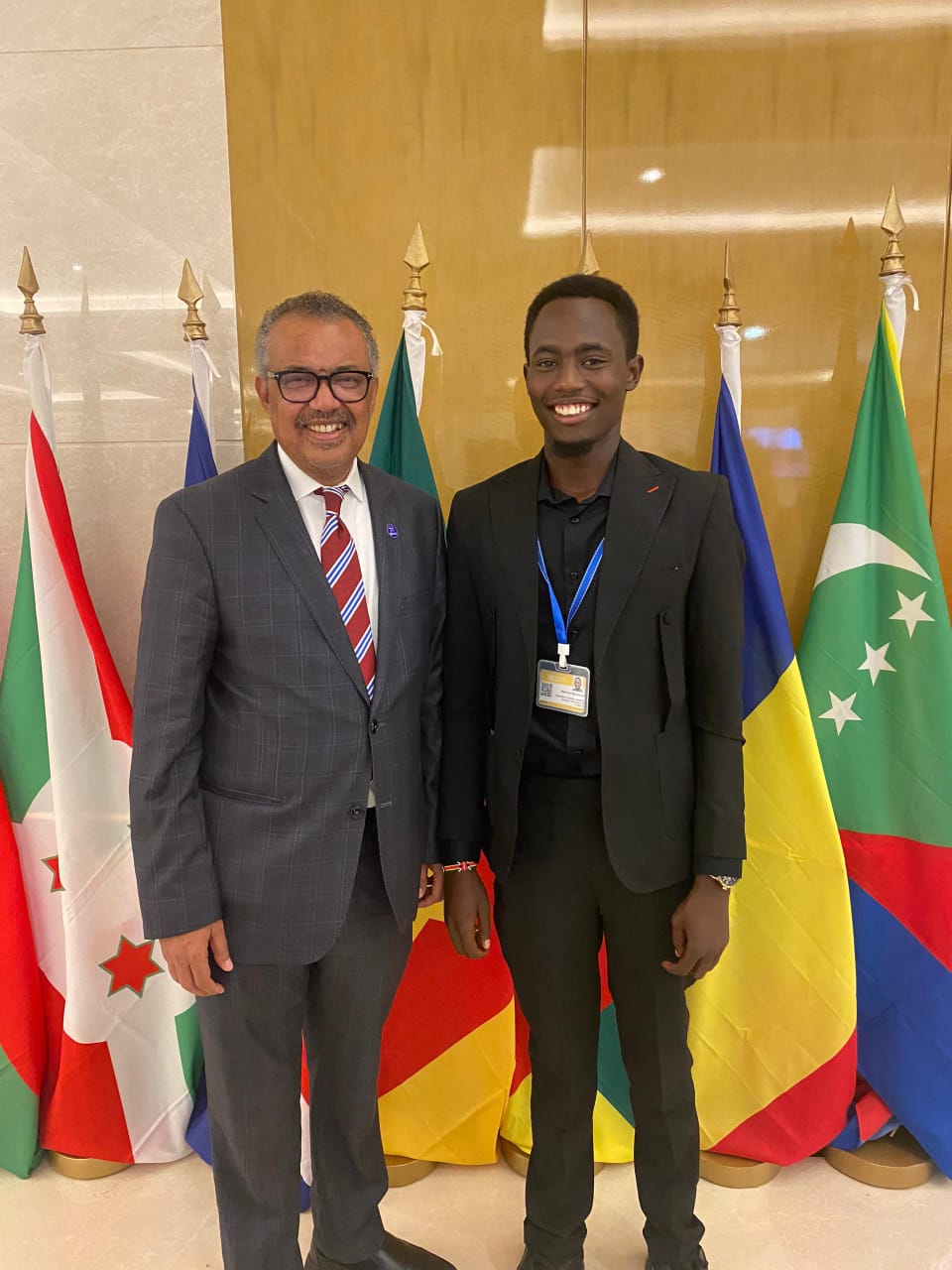
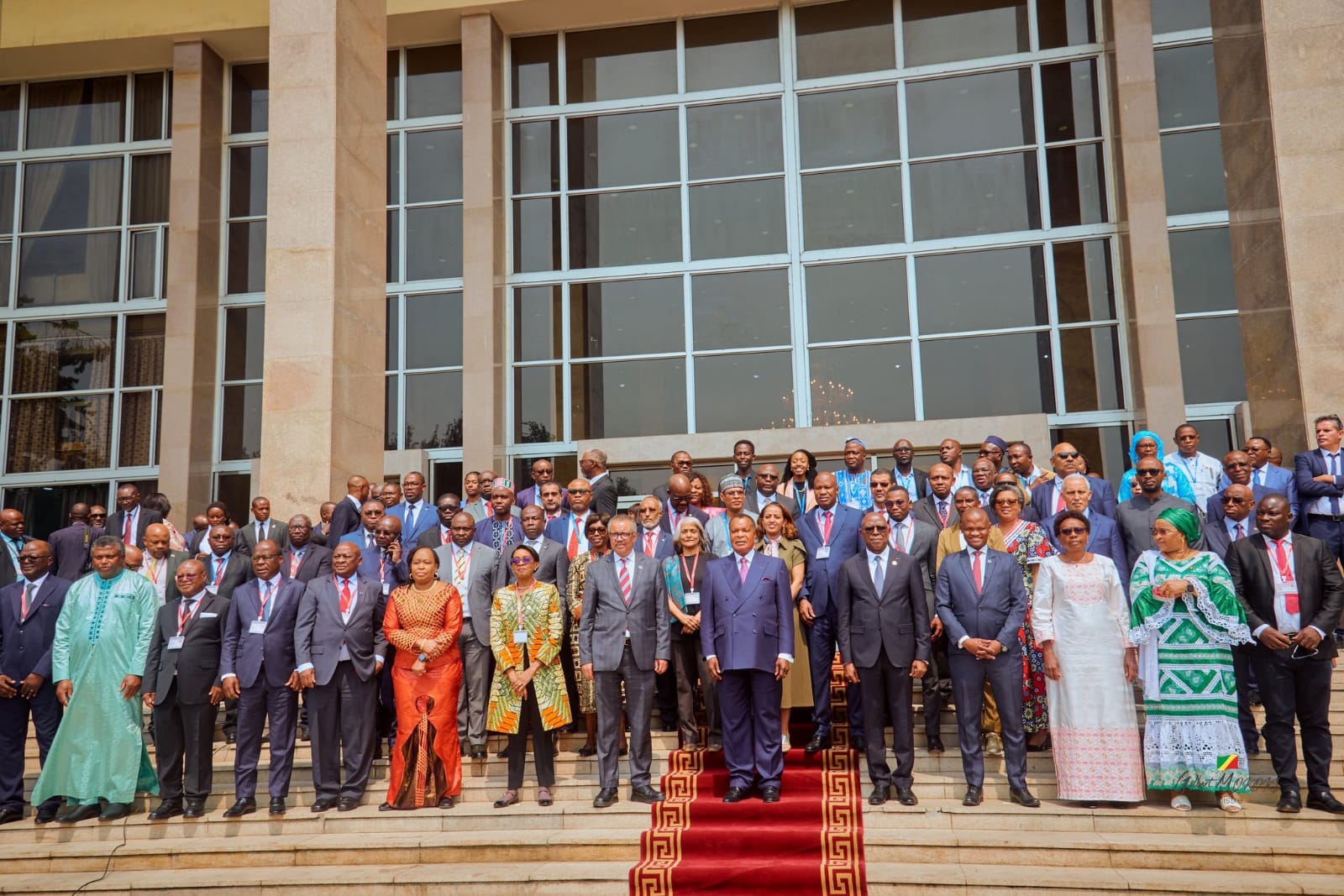
The Seventy-fourth session of the WHO Regional Committee for Africa happened in Brazzaville, Congo between August 26th and 30th, 2024. It presented a unique and transformative experience where I represented the Federation of African Medical Students’ Associations (FAMSA) from Moi University, Kenya. This event gathered health ministers from all the 47 member states , policy experts , stakeholders , various United Nations agencies, civil society organizations, academia and development partners from the African continent and across the globe. The committee session happened at a prime time when the continent is faced with health and related challenges including monkeypox outbreak, vaccine inequalities, a changing climate, conflicts, poverty, and humanitarian crises among other determinants of health. I had an opportunity to experience the programme sessions and also to engage with global leaders and policymakers on crucial health issues in our continent. This reflection focuses on the nexus of health, climate change, conflict and disarmament, inequalities and youth engagement.
Climate Change: A Looming Health Crisis
Africa contributes up to 4% of global greenhouse gas emissions. The region is vulnerable and disproportionately suffers from the adverse effects of climate change. About 60% of its population stays in the rural set up and this highlights the climate-dependency level for agricultural and food production. The continent has been severely impacted by natural disasters such as floods, droughts, and cyclones, which have displaced millions and triggered significant public health emergencies. Between 2010 and 2020, the WHO African Region recorded 622 natural disaster events, over half of which were climate-related health emergencies.
The effects of climate change continue to intensify. In 2021, disasters impacted 11.1% of Africa’s population directly. There were zoonotic disease outbreaks, such as those caused by El Niño-related weather events, which now are also on the rise, increasing by significantly between 2003 and 2022. Efforts to address these crises are being made—21 of the 47 countries in the region have completed climate change vulnerability assessments, and 22 countries have developed adaptation plans to integrate into broader climate change strategies.
During the opening ceremony His Excellency Denis Sassou N’Guesso, President of the Republic of Congo, concluded his speech by making a call for urgent action:
“I would like to remind you of the international conference on afforestation and reforestation that was held in July 2024, as part of our efforts to combat climate change, which is a major threat to global health. Water- and vector-borne diseases, respiratory infections, malnutrition, droughts, and floods, which are accelerating under the impact of climate change, call for a vigorous response on our part. The commitment of WHO to this noble cause for the survival of humanity is a source of encouragement in our fight for the environment, and in particular for the preservation of tropical forest basins.”
Humanitarian Crisis: Displacement and Health Vulnerabilities
The WHO Regional Committee submissions also highlighted the scale of humanitarian crises across Africa due to the conflicts, wars and political instability. This has created some of the world’s most pressing health challenges. Countries like Sudan, Ethiopia, Nigeria, and Chad face a surge in IDPs, and overcrowded camps are breeding grounds for diseases like cholera and respiratory infections.
Displacement worsens health inequalities, especially for vulnerable groups like women and children, who are greatly affected by gender-based violence, malnutrition, and lack of access to essential healthcare services. The Sahel crisis alone affects eight countries, and the WHO continues to provide critical operational support to mitigate health disasters caused by conflict emergencies.
Dr. Tedros Adhanom Ghebreyesus, WHO Director-General, acknowledged the immense challenges facing the African continent when giving congratulatory remarks after election of the new Regional Director ,Dr Faustine Engelbert Ndugulile:
“As you know, the Region is a rich tapestry of cultures, religions, languages, landscapes, and income levels. From arid deserts to tropical rainforests; From the Atlantic to the Mediterranean and the Indian Ocean; From some of the world’s largest cities to some of its most remote villages. I do not need to remind you of the scale of challenges you face, from conflict, climate change, inequality, outbreaks of infectious disease, the rising burden of NCDs, antimicrobial resistance, and so much more.”
These challenges demand a coordinated, regional response that is driven by evidence-based policy, robust surveillance, negotiations, commitment, resource mobilization, and global and regional collaboration.
Presentation on Agenda item 13: Framework for building climate-resilient and sustainable health systems in the WHO African Region 2024–2033
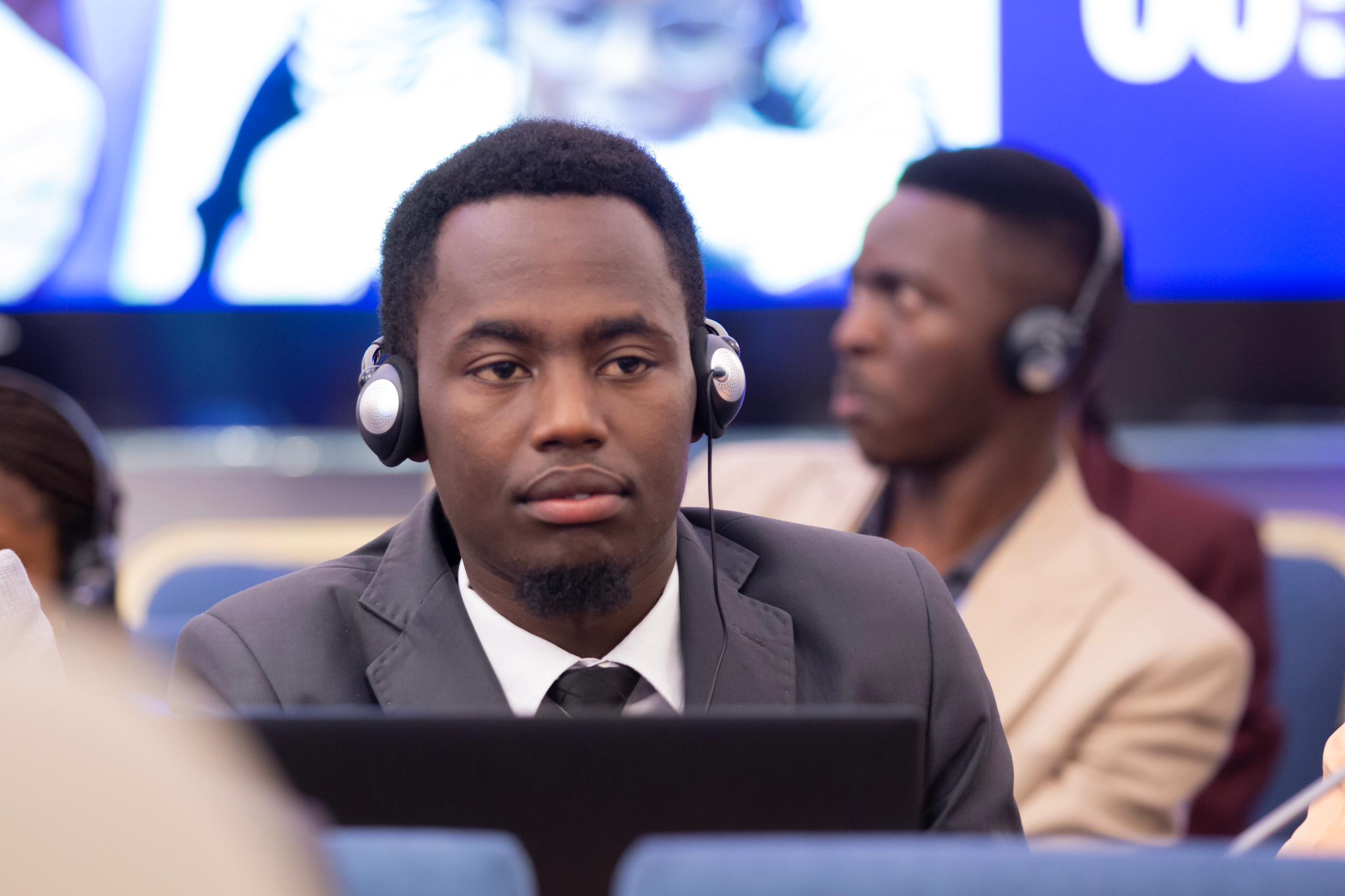
During the committee’s session, I delivered a statement that underscored the need of linking research with policy development to build climate-resilient health systems in Africa. My presentation also focused on the role of young researchers and students in contributing to evidence-based policy-making. I emphasized that research must address the threats to climate change and health impacts of climate change, including vector-borne diseases, heat stress, and food insecurity. The feedback from the session was overwhelmingly positive, with stakeholders recognizing the need for more youth-led research initiatives in Africa to inform climate and health policy.
Health and Disarmament: A Vital Link
One of the most pressing issues to be addressed is the intersection between health and disarmament. Conflict-driven health crises, particularly in regions like the Sahel, Sudan, Mozambique, and the Democratic Republic of Congo, have devastated communities. War destroys healthcare infrastructure, displaces millions, and triggers widespread outbreaks of diseases like cholera and malaria, exacerbating malnutrition and gender-based violence in refugee and internally displaced persons (IDP) camps.
Malnourished children and populations in refugee settings are more susceptible to infectious diseases, increasing the overall disease burden in these communities.
Many countries, especially those in conflict zones or facing economic hardship, struggle to secure adequate supplies of life-saving vaccines. The cholera outbreaks in Southern Africa—impacting countries like Malawi, Zambia, and Zimbabwe—demonstrated the urgent need for expanded vaccination programs and coordinated public health interventions
From a public health perspective, disarmament is not only about preventing conflict but also about protecting lives and ensuring health security. The humanitarian toll of conflicts extends far beyond immediate casualties—it leads to long-term health crises that overwhelm already fragile health systems. Advocating for peace, security, and disarmament must remain a public health priority in Africa and across many regions the world.
Networking and Engagements
At the WHO Regional Committee for Africa, I had the privilege of engaging with several senior officials and global health leaders, advancing dialogues on key issues. These discussions centered on the collaborative efforts, role of research, policy-making, and the capacity of young people in driving health initiatives across Africa. It was a unique opportunity to engage with the Director General, Dr. Tedros Adhanom Ghebreyesus on the role of student associations in driving the health agenda. We discussed the continued collaboration between youth organizations and the WHO, emphasizing the importance of including young voices in decision-making processes, particularly in climate-resilient health systems.
Conclusion
My participation WHO Regional Committee for Africa offered a profound opportunity to engage with key global health issues on an international platform. My contributions as a young researcher, climate and peace advocate, alongside that of student federations IPSF and IFMSA, highlighted the pivotal role of young professionals in shaping health policies across Africa, particularly in areas like climate change, social inequalities, and evidence-based policy-making.

 Bimal Khadka
 Bjorn Hilt
 Charles K. Johnson
 Gunnar Westberg
 IPPNW
IPPNW John Loretz
 Lawrence Wittner
 Maria Valenti
 mollymcgint
 Sue Wareham
 Tilman Ruff
 Tim Wright
 Xanthe Hall


 IPPNW peace and health blog
Comments are closed.