Ode to Gaza
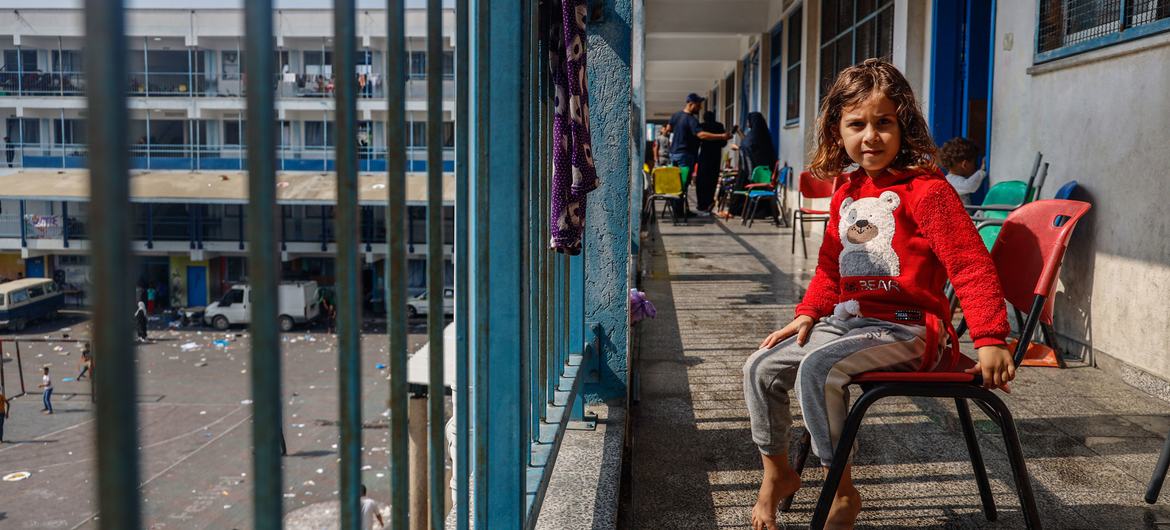
I have never been to Palestine, nor Israel for that matter, for fear my heart would break. Now it breaks anyway. I cannot see those lovely brown-eyed children playing, laughing, bleeding, dying, dead. So quickly: here today, gone tomorrow. Or those who lost their parents and wait patiently in groups of other orphans for a bit of food or the next bomb. I cannot bear to see it because it fills me with rage at my own helplessness. With all my privilege and intact housing. My smooth bike ride to work on a road with no rubble. Three meals a day, if I choose not to diet. I can harvest my olive trees without fear of being shot.
Others tell me to switch off the TV, the radio, the internet: “Look away, that’s what I do.” And yet this time, I can’t. As if my witnessing this carnage and levelling of a strip of land, dense with people, will somehow make a difference. It is the least I can do. I can look and feel my heart break.
Why can’t I find the off-switch that I found in so many wars before? That lets me do my job, write that call to action or op-ed, mobilise for the next demo, speak on behalf of peace. Peace. That now has somehow become a dirty word. That the Ukraine war disallows because it strangely means you are on the wrong side, the side of the invaders. And yet: does not Gaza throw the cards back up in the air when it comes to the question of perpetration? The questions of guilt and culpability?
The political narrative of a peace campaigner has become a minefield. Am I allowed to use the word “genocide” without being anti-Semitic? Maybe the court will decide for me, after the fact. Can I call for a ceasefire in Gaza but not in Ukraine? While we quibble over the semantics of humanitarian pauses, sustainable ceasefires—what do we not understand about the court order to stop killing Palestinians? And how do I feel about self-defence: for Israel, for Ukraine, for Gaza? Do I have to always relativize my horror at the slaughter of thousands of children in Gaza with my horror at the massacre of peaceful Israelis on October 7th? Are not all citizens in both countries being held hostage by this patriarchal war?
It is safer to just tell you how I feel. Because I can’t tell you how the people of Gaza feel. Quite probably frightened, almost certainly angry, desperate. Hungry. Maybe resigned. Hopefully resilient. I don’t know. I can hear their stories, translated; I can see their faces, distorted with grief, but I cannot know how they feel because I have never shared their experience.
An interviewer asked me on Monday what I think “peace” is. I said: peace is the moment when you know you have a roof over your head, clean water and food to eat, no-one is attacking you, you are safe to explore your dreams and be yourself. But sustainable peace means that your peace is never threatened, you can trust it will continue to be your norm and you can go about your daily life thinking about how beautiful the sky is, how good it is to feel the sun on your skin, to hear the birds singing. You can dig in your garden and wonder at the worms. You can cook for your friends and laugh at stories of how we were when we were young.
Xanthe Hall is the IPPNW-Germany disarmament officer.
Comments are closed.

 Bimal Khadka
 Bjorn Hilt
 Charles K. Johnson
 Gunnar Westberg
 IPPNW
IPPNW John Loretz
 Lawrence Wittner
 Maria Valenti
 mollymcgint
 Sue Wareham
 Tilman Ruff
 Tim Wright
 Xanthe Hall


 IPPNW peace and health blog
Thank you , Xanthe. There is such sadness in my heart, every day. And nothing, nothing I can do.
Gunnar