The TPNW provides hope for nuclear disarmament: Part 3
Written by Dr. Lars Pohlmeier, Co-Chair of IPPNW Germany, and translated by Stella Ziegler, IPPNW International Student Representative
This article was originally published on IPPNW Germany‘s blog in German following the second Meeting of States Parties to the Treaty on the Prohibition of Nuclear Weapons, 27 November – 1 December in NYC. This is the final part of a three-part blog series by IPPNW Germany members.
The UN Conference of States showed signs of determination for disarmament, and for a few days at the United Nations in New York, the world was something like “all right”. Speaker after speaker called on the world community of states to consistently disarm nuclear weapons and announced that they would take all necessary measures to do so.
Let’s say “almost all”, because the NATO countries Germany and Belgium, which had attended the conference as observers, were unimpressed by this and took the hard NATO nuclear weapons line. First and foremost, this was embarrassing. Even more so as, in the run-up to the conference at the end of October, the UN General Assembly had for the first time called by an overwhelming majority for concrete activities to research the health consequences of nuclear weapons development. Only North Korea, Russia and the NATO states France and Great Britain had refused to do so.
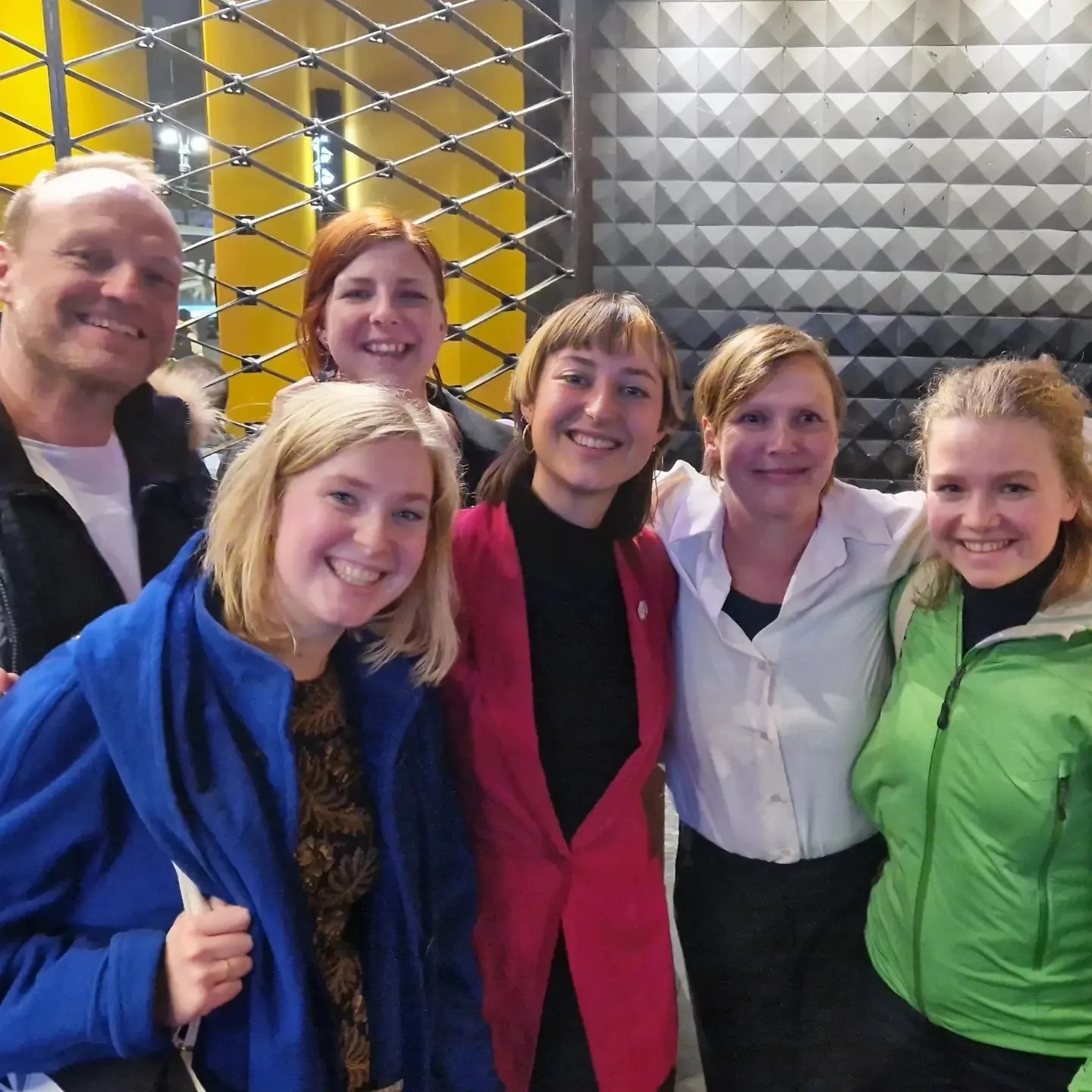
700 representatives from countless non-governmental organisations were present. These included many young people, the youngest being 17. 41 participants made IPPNW one of the largest international NGO delegations.
The accusation from the nuclear weapons side, that the converts were preaching to the converted at the Conference of States on the Treaty on the Prohibition of Nuclear Weapons only exposed the helplessness of those who are blackmailing the world with nuclear deterrence fanaticism and leading us all to the nuclear abyss.
For me personally, the days in New York were a great source of encouragement and an opportunity to recharge my batteries for future political work.
The ICAN campaign, to whose great international success our IPPNW, including the German section, has made a significant contribution, continues to generate competent and enthusiastic young activists.
Part of this forward-looking diversity was the many young representatives from countries affected by nuclear testing, such as Kazakhstan and the islands in the Pacific, the many women and the broad cultural spectrum, especially from the countries of the Global South.
The UN Final Declaration on the Treaty on the Prohibition of Nuclear Weapons specifically stated that the ideology of deterrence, to which the nuclear powers and their supporter states adhere like drug addicts, must be made one of the central topics of debate in order to demystify and overcome nuclear weapons fanaticism.
The conference showed once again that nuclear weapons kill even without being used. They are not an abstract or academic issue, but a concrete danger and long-term damage to health for generations. Disarmament is therefore a deeply humanitarian issue. It demands all our empathy for the victims. The tears that flowed in New York were not just an expression of grief, but also tears of constructive anger and conviction that change for the better is possible. This is what civil society and the IPPNW are needed for.

 Bimal Khadka
 Bjorn Hilt
 Charles K. Johnson
 Gunnar Westberg
 IPPNW
IPPNW John Loretz
 Lawrence Wittner
 Maria Valenti
 mollymcgint
 Sue Wareham
 Tilman Ruff
 Tim Wright
 Xanthe Hall


 IPPNW peace and health blog
Comments are closed.