IPPNW: “A fascinating case study of the power of medicalization”
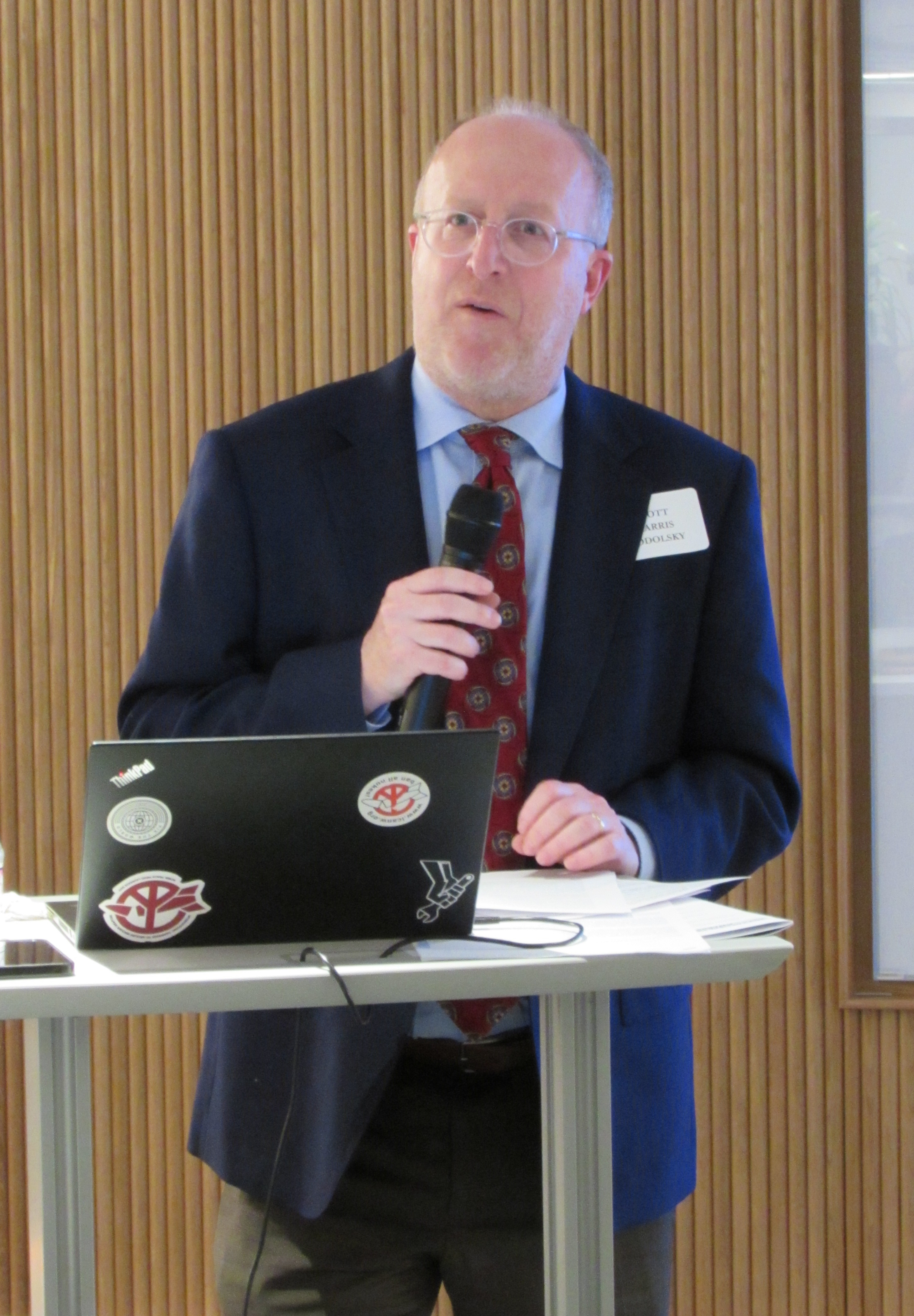
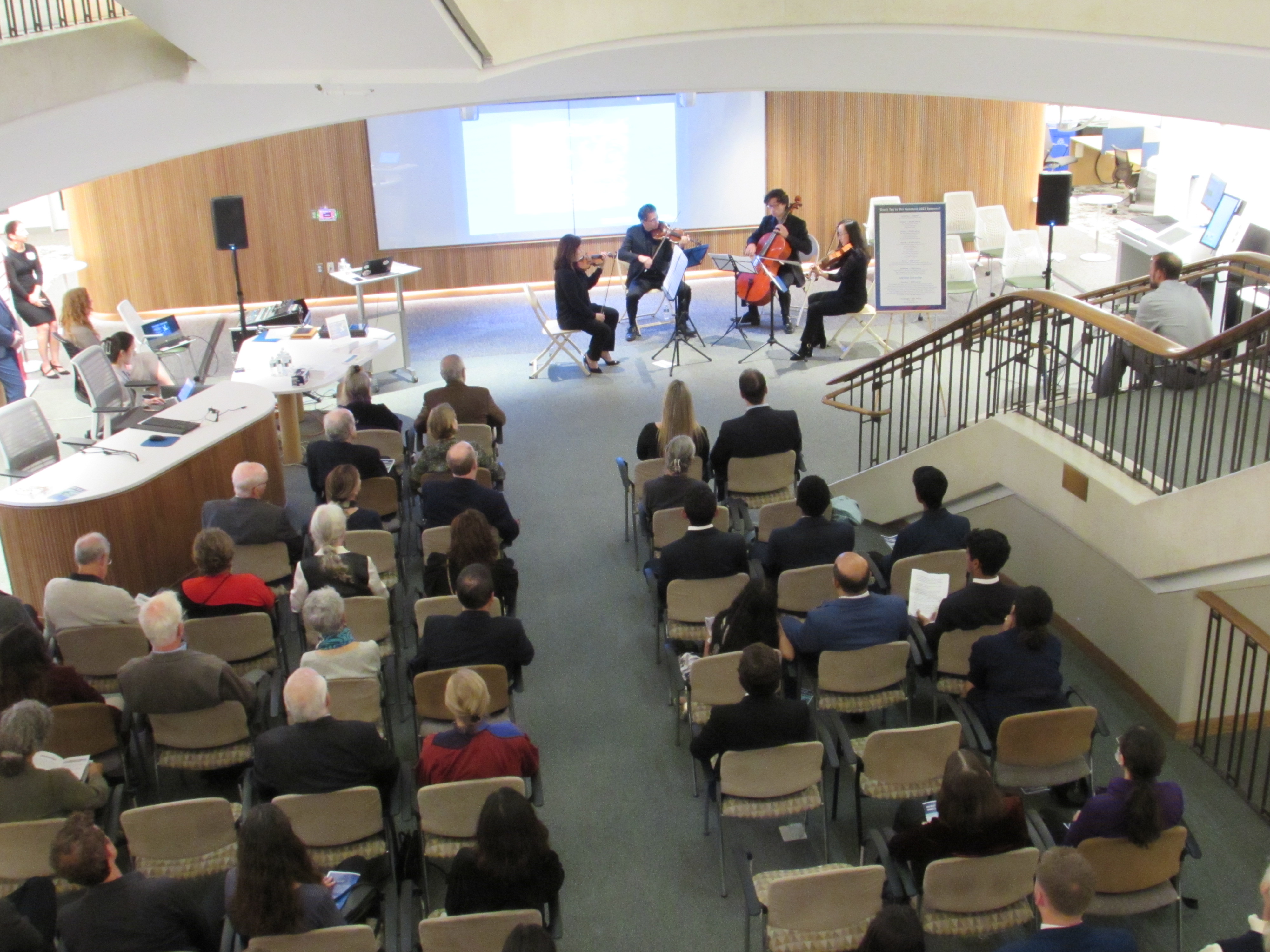
[Dr. Scott Podolsky is Professor of Global Health and Social Medicine at Harvard Medical School and a primary care physician at Massachusetts General Hospital. Since 2006, he has served as the director of the Center for the History of Medicine based at the Countway Medical Library. He delivered the following remarks at an event co-sponsored by IPPNW and Greater Boston Physicians for Social Responsibility at Harvard Medical School’s Countway Library on 21 October.]
The Countway’s Center for the History of Medicine is one of the largest and most utilized history of medicine special collections in the world. We received nearly 3,000 remote research requests last year, and much of our usage revolves around our manuscript collections. We steward the behind-the-scenes collections—research notes, correspondence—of faculty ranging from Joseph Murray—who would receive the Nobel Prize for the development of kidney transplantation—to Mary Ellen Avery—who discovered surfactant as a cure for fetal pulmonary distress syndrome—to psychiatrist Charles Pierce, who coined the very term microaggression in the 1970s.
But we’re also proud to steward the holdings of organizations such as IPPNW, offering a window into the history of medicine, public health, society, and the interfaces among them.
For historians of medicine, IPPNW is not only a remarkable activist organization, but a fascinating case study of the power of medicalization. From the 1970s onward, scholars like Peter Conrad have discussed this process of “medicalization,” whereby seeming social issues are brought within the domain of medical authority. This can be a pernicious process, through, say pharmaceuticalization, whereby social issues are suddenly pathologized and turned into conditions that apparently require medications.
But Physicians for Social Responsibility and, then, IPPNW did something very different. Starting during what many consider the golden age of medicine and medical authority in the 1960s, and addressing the seeming political and military issue of nuclear war, they leveraged their medical authority, first in the pages of the New England Journal of Medicine, and then far beyond, to demonstrate the untenability of a “medical” response to nuclear war. The only remedy was prevention, meaning disarmament—as they demonstrated through hard analysis and colorful and medically inflected posters alike.
Over the ensuing decades, they—meaning, many of you in this room—engaged with journal editors, those in Congress, and, eventually, colleagues across the Iron Curtain and around the world to mobilize against nuclear proliferation. They had, in effect, medicalized nuclear war and thereby legitimated a preventive approach against it, and IPPNW would of course earn the Nobel Peace Prize in 1985, followed by the Nobel Peace Prize in 2017 for the International Campaign to Abolish Nuclear Weapons.
In 2023, as you all know and have eloquently and forcefully communicated, it is clear that the need for this movement, initiated more than 60 years ago, is far from over. Yet PSR, IPPNW, and ICAN continue to provide a moral and pragmatic blueprint for activists attempting to leverage medical authority to promote change—not only for those combating nuclear war, but for those combating climate change, gun violence, structural racism, and a host of other critical issues.
We’re proud at the Countway to play our own small role here, to steward not only IPPNW’s large collection, but those of individual PSR and IPPNW-affiliated or closely connected members such as (in alphabetical order) Eric Chivian, Lachlan Forrow, Sanford Gifford, Howard Hiatt, Alexander Leaf, Jennifer Leaning, Bernard Lown, Jim Muller, and Victor Sidel. And scholars use these, ranging from my own former Harvard undergraduate student, and now Harvard Medical School student, Katie Blanton, who wrote her Hoopes Award-winning undergraduate thesis on PSR and IPPNW, to historians from around the world working on the history and strategies of medical activism.
In short, we’re enormously grateful to all of you for your inspiring work over many decades. And we’re honored to steward such remarkable collections and to enable the history of PSR, IPPNW and their members to continue to inform contemporary medicine, public health, and society alike.

 Bimal Khadka
 Bjorn Hilt
 Charles K. Johnson
 Gunnar Westberg
 IPPNW
IPPNW John Loretz
 Lawrence Wittner
 Maria Valenti
 mollymcgint
 Sue Wareham
 Tilman Ruff
 Tim Wright
 Xanthe Hall


 IPPNW peace and health blog
Comments are closed.