We need to re-motivate and reconnect people
An interview with student reps Stella Ziegler and Walusungu Mtonga

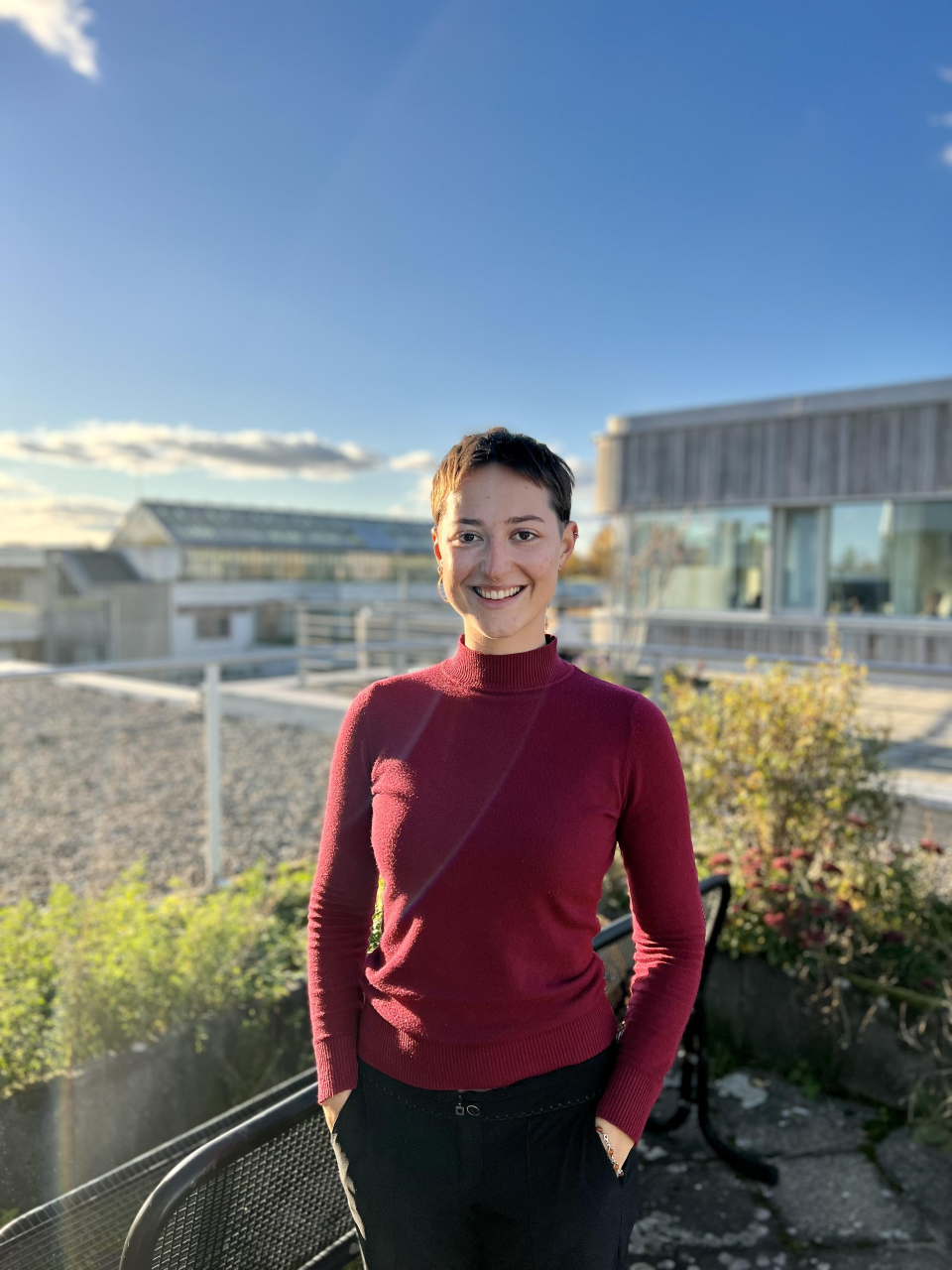
[Stella Ziegler of Germany and Walusungu Mtonga of Zambia were elected as IPPNW’s new International Student Representatives (ISRs) at the 23rd World Congress in Mombasa, Kenya. Stella is a medical student at the faculty of Charité Berlin, and is active with the IPPNW-Germany student chapter. Walusungu is in his final year of clinical clerkship at the University of Zambia, pursuing a Bachelor’s degree in Medicine and General Surgery. He is the son of former IPPNW co-president, the late Robert Mtonga.]
You two were elected as ISRs earlier this year during our Mombasa Congress. Congratulations! What are your core priorities for your term?
SZ: I think that similar to previous ISRs, we want to engage more students and spread awareness about the dangers but also prevention possibilities of nuclear war and any kind of violence. What is special about our term is the post-covid situation, where we need to re-motivate and reconnect people, find new motivation and show that activism needs to be present again.
WM: To ensure a more united medical student movement that plays a vital role in policy and decision making. To ensure growth of the student movement to countries where no student chapters exist.
Walusungu, can you tell us about how and why you got involved with IPPNW? Why does nuclear disarmament matter to you as a medical student in Zambia?
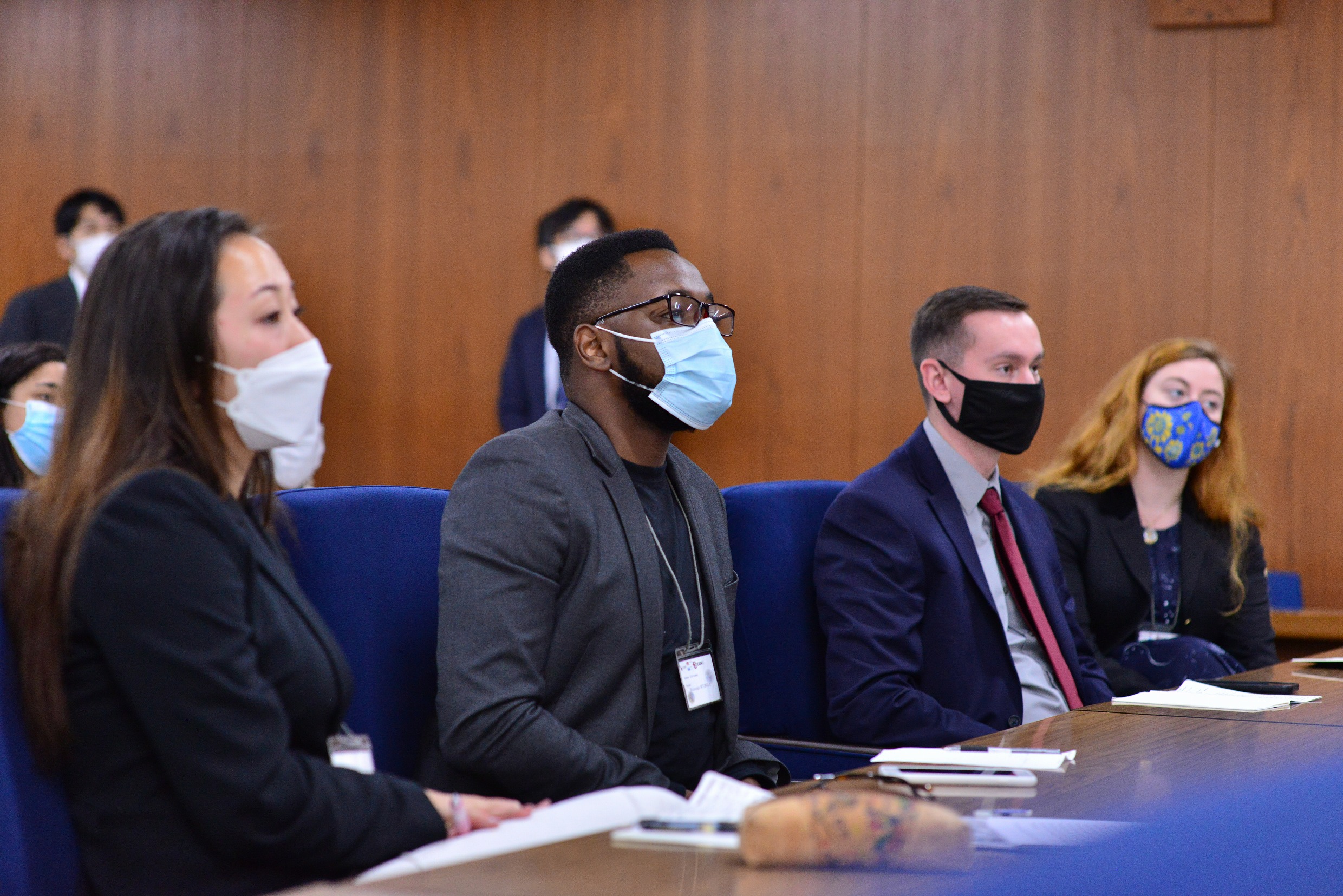
WM: I came to learn of IPPNW through my late father, Dr. Bob Mtonga, who dedicated most of his life towards disarmament. After starting medical school, I began to understand the health consequences of radiation exposure that would occur if a nuclear weapon is used. Additionally, I realized that we needed to invest more efforts towards preventative medicine due to our fragile health systems, especially here in Africa.
First and foremost, conflict anywhere is conflict everywhere. A nuclear war would be devastating to all people on Earth. Secondly, I understand the climate catastrophe that would ensue if a nuclear war was to break out. Such a catastrophe would affect the entire globe including Zambia where I come from.
Stella, what motivates you to advocate for nuclear disarmament amid a number of emerging threats, ranging from emerging technologies to the escalating climate crisis?
SZ: Global crises only grow larger, and we want to give young people a platform and opportunity for putting their fire into action. It can be overwhelming, and sadly we can’t change the spin of the Earth, but if I have the chance to change something and use the privilege of being heard, then I will use it. As a young person, I feel the necessity to take action for things that will affect me in my life and my profession as a doctor in the future.
What can our global federation of health professionals do to support medical student engagement?
SZ: Listen and take youth worries, ideas, and future problems seriously, since it is us who are building the future. Many students are active and incredibly inspiring, but never reach a bigger level of influence. We need people in power to represent those who are not (yet) in a position to make these decisions. Furthermore, we need to be given the space and invitations to the places where decisions are made, that will affect us more than ever.
WM: By creating mentorship programs that nurture medical students in becoming global leaders who will make positive contributions towards a safer world. By supporting local student chapter activities in many aspects, including financially, whenever possible.
As young activists inheriting a world ripe with the threat of nuclear war and climate catastrophe, where do you find hope?
SZ: To be honest, there are days where I lose hope, and days where I find new hope, and I think everyone can relate to that. The IPPNW student movement surely gave me a lot of hope and motivation to keep fighting for what is important to me. Connecting with like-minded people, seeing international activism and hearing inspiring stories keeps me going. However, sadly so, the lack of change I see in reformations from states, politicians, and international law mostly fuel me with more anger and frustrations, but also shows that we still have a long way to go and a lot to fight for.
WM: The TPNW is a great tool that gives us hope. Many if not all countries around the world are experiencing the climate crisis and are slowly beginning to understand the consequences that would arise if a nuclear war were to break out. Universalization of the TPNW is a great source of hope!
What role do medical students play in advancing a world without nuclear weapons?
WM: Medical students have an understanding of the health effects of nuclear weapons. It is their duty to share this information with their communities and fellow students and to convince their government leaders to implement policies that ensure a more peaceful and safer world which includes nuclear disarmament.

 Bimal Khadka
 Bjorn Hilt
 Charles K. Johnson
 Gunnar Westberg
 IPPNW
IPPNW John Loretz
 Lawrence Wittner
 Maria Valenti
 mollymcgint
 Sue Wareham
 Tilman Ruff
 Tim Wright
 Xanthe Hall


 IPPNW peace and health blog
Comments are closed.